


 Elena Garnitsarik
 Malta Global Residence Programme
Investors obtain a residence permit in Malta to optimise taxes and enjoy
€30,000
Minimum investment
2 options
To choose from
3+ months
Obtaining period
29
Visa‑free countries
In Malta, investors are granted residency under the Malta Global Residence Programme. Applicants rent or purchase real estate in Malta and pay an administrative fee.
An investor becomes a tax resident and pays tax on worldwide income transferred to Malta at a reduced rate of 15%. The minimum annual tax is €15,000 per family.
Residency by investment is available exclusively through licensed agents authorised by the Maltese government.
The status is also granted to the investor’s spouse, children, siblings, parents, and grandparents.
To maintain residency, living in Malta is not required, but one must avoid spending more than 183 days in any single foreign country.
7 benefits of the Malta residence permit
Tax optimisation
- 0% on income earned abroad and not transferred to Malta;
- 15% on foreign income transferred to Malta;
- 35% of income earned in Malta.
The minimum annual tax is €15,000 per family. There are no extra taxes for family members of the investor and no inheritance tax.
English‑speaking country
For families, the language advantage extends to education and everyday living. Schools and universities teach in English, offering internationally recognised qualifications, while healthcare, banking, and public services are also delivered in English.
No residence requirement
Status for the whole family
Freedom of movement
High quality of life
Healthcare and education
Visa-free travel to 29 European countries
Austria
Belgium
Bulgaria
Croatia
Czech Republic
Denmark
Estonia
Finland
France
Germany
Greece
Hungary
Iceland
Italy
Latvia
Liechtenstein
Lithuania
Luxembourg
Malta
Netherlands
Requirements to apply for the Malta residence permit
Over 18 years old
With a stable legal income
No criminal record
With health insurance
Basic knowledge of English or Maltese
Or a partner in a committed
Up to 24 years old inclusive
Financially dependent on the investor
Over 55 years old
Financially dependent on the investor
Financially dependent on the investor
Financially dependent on the investor
Investment options for obtaining a Malta residence permit

Schedule a meeting
Help with the choice
Passportivity experts will analyse your situation and offer the most suitable solution.
Real estate for obtaining Malta residence by investment
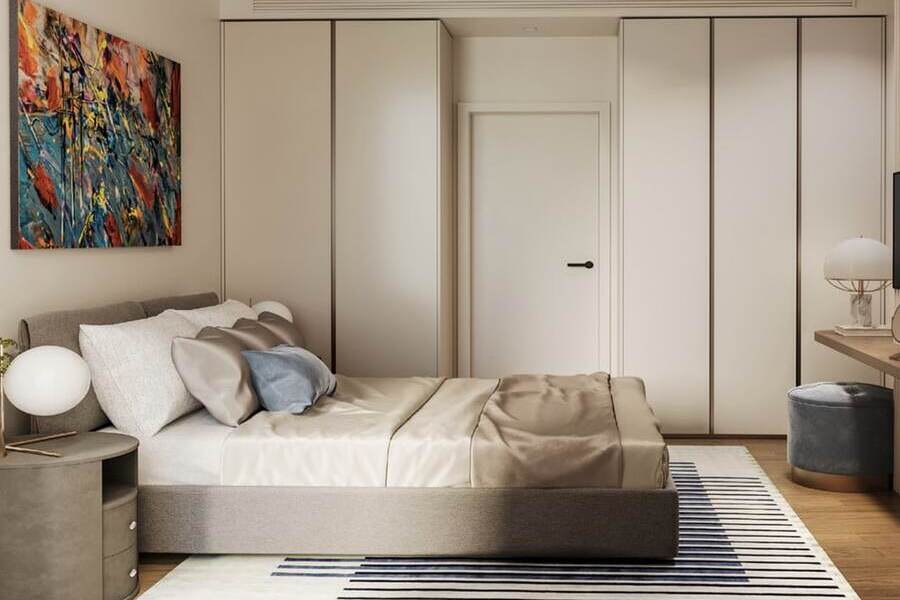
 Malta, Kalkara
€325,000—1,800,000
Stylish apartments near sea Kalkara, Malta
 72—310 m²
 1—4
1—4 1—4
1—4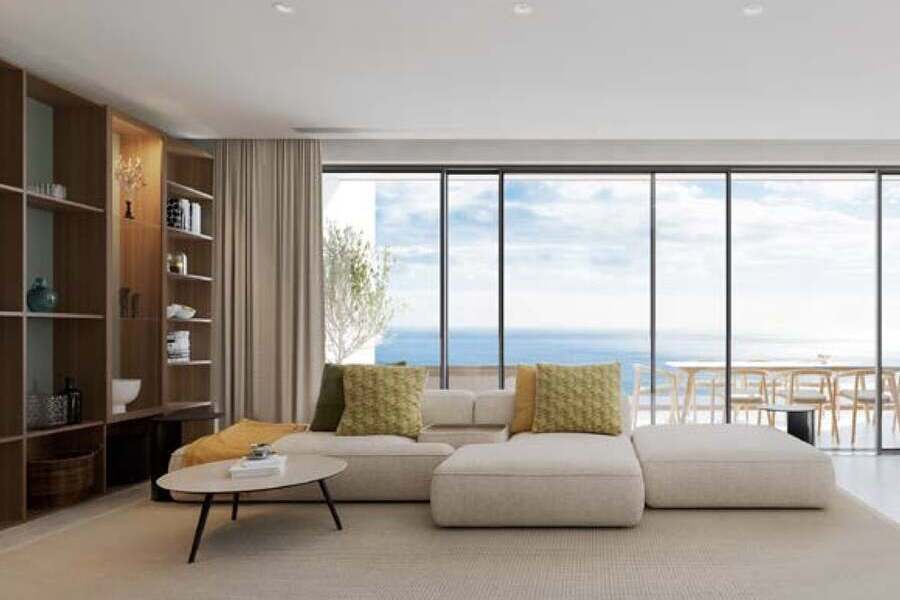 Malta, Sliema
€675,000—5,900,000
Luxury apartments with sea view in Sliema
60—123 m² 1—3 1—3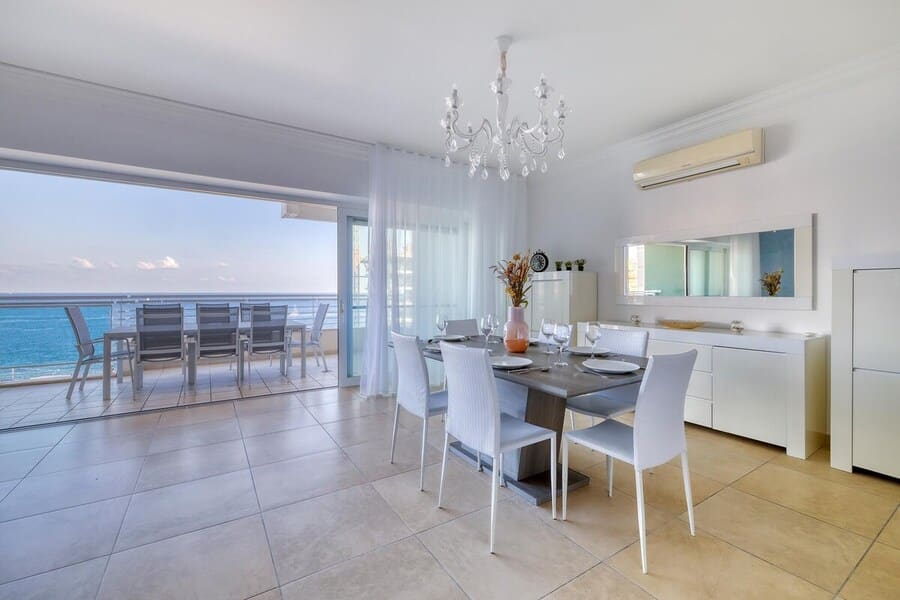 Malta, Sliema
€920,000—1,300,000
Apartments in a new residential building near the sea in Sliema
176—211 m² 2—3 2 Malta, Kalkara€325,000—1,800,000
Stylish apartments near sea Kalkara, Malta
72—310 m² 1—4 1—4 Malta, Sliema€675,000—5,900,000
Luxury apartments with sea view in Sliema
60—123 m² 1—3 1—3 Malta, Sliema€920,000—1,300,000
Apartments in a new residential building near the sea in Sliema
176—211 m² 2—3 2Key documents to apply for a Malta residence permit
- Passport
- Birth certificate
- Marriage certificate, if applicable
- Photographs
- Police clearance certificate
- Medical certificate
- Health insurance
- Proof of income
- Property purchase or rental agreement
- Declaration of tax representative
How to obtain residence permit in Malta: step‑by ‑step process
Preliminary check
Passportivity specialists conduct an internal review to increase the chances of approval. If any issues are found, they suggest solutions; for example, attaching an affidavit to the application.
The check is confidential and takes one business day. The investor only provides a copy of their passport.
Document preparation
The investor collects the required originals and passes them to Passportivity’s lawyers, who prepare the residency application. The lawyers arrange translations, certify copies, and fill out forms. At this stage, the investor also pays the administrative fee.
The document package is then submitted remotely to Malta’s Inland Revenue Department, IRD.
Health insurance
The investor and family members must purchase comprehensive health insurance covering the entire European Union.
Real estate purchase or rental
With guidance from Passportivity experts, the investor purchases or rents property that meets program requirements. This step is carried out in parallel with document collection.
Due Diligence
The tax authority reviews the documents of the investor and their family. If questions arise, Passportivity’s lawyers respond on the investor’s behalf after prior agreement.
Obtaining special tax status
Once the application is approved, the investor attends an interview at the tax authority. The Director personally presents the program terms, while the investor explains their reasons for applying.
Following the meeting, the Director issues an approval in principle. The investor pays the minimum tax of €15,000 and submits proof of property purchase or rental.
The special tax status is issued within about two weeks. This certificate enables the investor to apply for a residence permit.
Application for residency
Passportivity’s lawyers complete and submit the application, supporting documents on behalf of the investor.
The investor and their family must travel to Malta to submit the application and provide biometric data, accompanied by a Passportivity lawyer.
The documents are filed with Identity Malta by prior appointment.
Application review
Identity Malta reviews the application within about
Receiving residence cards 🔥
The investor and family members collect their residence cards in person.
Why choose us
Reliable partner
Passportivity operates exclusively within the conditions set out in legal notice No. 167 of 2013, the Global Residence Programme Rules.
Deep Expertise
11+ years in investment immigration and financial matters to solve the most complex client challenges.
Individual Approach
We develop step-by-step plans, taking into account client requirements, to achieve optimal results.
Support at every stage
From the first consultation and even after receiving the desired document, we provide legal support.
Additional services
Get a tax number, sign a rental agreement or apostille additional documents — we will fulfill any request.
Flexible communication and 24/7 availability
Meet us in person or online, whatever suits you best.
We respond to inquiries within two hours. Your case is handled by a dedicated lawyer who is always in touch.
From idea to residence permit — guided by experts
For over 10 years, we've been helping clients navigate the path to citizenship and residency. Our approach combines

Frequently asked questions
No, Maltese residence cannot be purchased. However, foreigners can obtain temporary or permanent residency by making investments through special government programs. The cost of permanent residence starts at €150,000, while residence under the Global Residence Programme begins at €30,000.
Yes, buying property worth at least €220,000 can be one of the conditions for obtaining residency under the Malta Global Residence Programme.
Foreigners over 18 with a legal source of income, no criminal record, health insurance, and basic knowledge of English or Maltese can apply. Their spouse or partner, financially dependent children up to 24, as well as dependent parents, grandparents, brothers, and sisters may also be included.
Citizens of the EU, EEA, and Switzerland are not eligible.
To secure residency, investors become tax residents. The first tax payment of €15,000 is made during the application process, then annually thereafter.
Investors rent property for at least €8,750 a year or purchase property worth at least €220,000, depending on the region. In addition, they must pay an administrative fee starting at €5,500, buy health insurance for €500+ per person, and cover expenses for document apostille, translation, and notary services for €4,000+.
A registered address in Malta is mandatory to keep residency. If an investor sells or stops renting their property, the residence permit cannot be renewed.
The process takes on average three months. If the tax authorities or Identity Malta have additional questions, it may take longer. Each application is reviewed individually.
To maintain residency, investors must keep a registered address in Malta, rent or own real estate, and pay an annual tax of at least €15,000.
There is no minimum stay requirement. However, an investor must not spend more than 183 days in any single country to avoid becoming its tax resident.
The first residence card is issued for one year, and subsequent ones for two years.
To renew, an investor must submit a tax declaration and pay the €15,000 tax by April 30th of the following year. Once confirmed by the tax authority, the investor provides biometrics and receives a new residence card at Identity Malta.
Yes, but only with a special permit. Under the Malta Global Residence Programme, an investor may work or run a business, with
One year after obtaining residency, the investor renews their card, given they still meet the criteria. The second and subsequent cards are valid for two years.
To renew, the investor submits a tax declaration and pays at least €15,000 by April 30th of the following year. After confirmation, they provide biometrics again and receive a new card.
Malta has two investment options.
Malta Global Residence Programme, GRP: applicants become tax residents, pay €15,000 annually, rent or buy property, and pay an administrative fee. Minimum costs start at €30,000.
Malta Permanent Residence Programme, MPRP: investors obtain permanent residency if they:
- contribute at least €37,000;
- pay an administrative fee of €60,000+;
- make a charitable donation of €2,000;
- rent property for €14,000+ a year or buy for €375,000+.
Becoming a tax resident or living in Malta permanently is not required under the MPRP.
No, Maltese Citizenship by Naturalisation for Exceptional Services by Direct Investment, was officially closed in July 2025.


Contact us today
We will help you obtain Malta residence permit without unnecessary hassle. We minimize risks so you don't waste time and money.


