Case Studies
Grenada Citizenship for a Nigerian Entrepreneur Expanding Internationally
“I wanted a second citizenship that would make business travel easier and support the next stage of my international expansion. Grenada also kept open the possibility of applying for an

 Share
 Telegram
 Facebook
 LinkedIn
 X

 Save
Why the entrepreneur wanted a second citizenship
David Okafor, 46, owns a
Regular international travel was part of David’s work, but each new trip often required additional visa planning. At the same time, most of his business infrastructure and capital remained connected with Nigeria.
David wanted second citizenship to solve three
- Make business travel easier.
- Diversify his interests across several jurisdictions.
- Give his family more options for living and studying abroad.
Passportivity compared several Caribbean citizenship programmes. Grenada stood out because it combined wider international mobility with the possibility of a future
David applied together with his wife, Nneka, 41, and their
David founded the company in 2013. By 2025, it generated annual turnover of around $7.5 million and worked with suppliers and customers in several countries.
Business trips to Europe were frequent. David visited manufacturers in Germany and the Netherlands several times a year and attended industry exhibitions and negotiations with new suppliers.
His Nigerian passport required a visa for short trips to the Schengen Area. Grenadian citizens may travel
David also wanted to reduce the dependence of his business and personal capital on one country. He planned to expand his network of international counterparties, hold more assets outside Nigeria, and eventually establish another business operation abroad.
For Nneka and Ada, second citizenship created an additional
Comparison of Caribbean citizenship programmes
Passportivity compared Grenada with Dominica, Antigua and Barbuda, Saint Lucia, and St Kitts and Nevis. All five programmes could provide second citizenship. The decisive question was therefore not simply which passport David could obtain, but which jurisdiction fitted his future business plans.
Grenada is listed by the US Department of State as an
Caribbean citizenship programmes David compared
| Country | What David considered | Fit for his strategy |
|---|---|---|
| Grenada | International mobility and treaty relationship with the US for | ⭐ Best fit — matched both current travel needs and |
| Dominica | Second citizenship and broader travel opportunities | ✓ Good for mobility, but no equivalent |
| Antigua and Barbuda | Strong alternative, but less aligned with US expansion | |
| Saint Lucia | Several qualifying investment options | Flexible choice, but the investment routes were not David’s main criterion |
| St Kitts and Nevis | Relevant option, but Grenada fitted David’s business strategy more closely |
Why Grenada citizenship matched the investor’s plans
Grenada matched David’s strategy because it addressed both immediate and
1. Grenadian citizenship could support a future E-2 Investor Visa application
The
Grenadian citizenship alone does not give David the right to live or work in the US. To qualify for an
- hold citizenship of an
E-2 treaty country; - demonstrate at least 3 continuous years of qualifying domicile in Grenada before his first
E-2 application, as he obtained Grenadian citizenship by investment; - invest a substantial amount of capital in a genuine, operating US business;
- come to the US to develop and direct that enterprise;
- obtain separate approval for the
E-2 visa; - maintain temporary nonimmigrant status and intend to leave the US when the
E-2 status ends.
David therefore treated the
2. Citizenship made European business travel easier
David regularly travelled to Germany and the Netherlands to meet manufacturers and negotiate supply contracts. With his Nigerian passport, these trips required a Schengen visa. A Grenadian passport allows short
The difference was practical rather than purely recreational. David could arrange a supplier meeting or attend an industry event without building every European trip around a new visa application.
Grenadian nationals are also eligible to travel to the UK with an Electronic Travel Authorisation rather than a standard visitor visa, subject to the applicable entry rules.
3. David wanted to diversify business beyond Nigeria
David did not plan to move the company out of Nigeria, where it remained profitable and continued to serve West African customers.
Instead, David wanted to add new layers to the business gradually. His plans included more direct relationships with overseas manufacturers, possible foreign operating entities, and eventually a US distribution business if the commercial and immigration requirements aligned.
Grenada citizenship did not create these businesses for him. It became one part of the wider expansion strategy.
4. Investor wanted to diversify capital across jurisdictions
David also wanted his personal wealth to become less concentrated in one market and currency environment. A significant part of his net worth came from shares in the Nigerian company, local property, and
In parallel with the citizenship project, David started working with financial and tax advisers on a broader international portfolio. He allocated part of his accumulated dividends to USD- and
The objective was diversification rather than moving all capital abroad.
5. Citizenship created more options for the family
Nneka and Ada received their own Grenadian passports together with David, so the benefits of second citizenship did not depend on his status.
Nneka used her new passport when she accompanied David on a trip to Amsterdam and London. For the Schengen part of the trip, she no longer needed to apply for a
Ada also benefited from the wider travel options. Shortly after receiving her Grenadian passport, Ada attended a
The future
6. Family did not have to relocate to obtain citizenship
David still needed to run his business in Lagos, and Ada remained at school. The Grenada citizenship process did not require the family to move. The Investment Migration Agency states that applicants do not need to visit Grenada before, during, or after the citizenship application process.
This allowed David to obtain citizenship without interrupting the family’s existing life. The potential
How Passportivity built the citizenship strategy around the client’s business plans
Passportivity first identified what David expected from second citizenship. The specialists reviewed his main business destinations, family plans, international expansion goals, and interest in the US market.
The team then:
- compared Caribbean citizenship programmes;
- checked David, Nneka, and Ada’s eligibility;
- explained the difference between Grenada citizenship and the US
E-2 process; - identified the
3-year E-2 domicile requirement at the planning stage; - conducted Preliminary Due Diligence;
- prepared the
source-of-wealth andsource-of-funds evidence; - helped David select the National Transformation Fund contribution;
- prepared the family’s citizenship application.
The
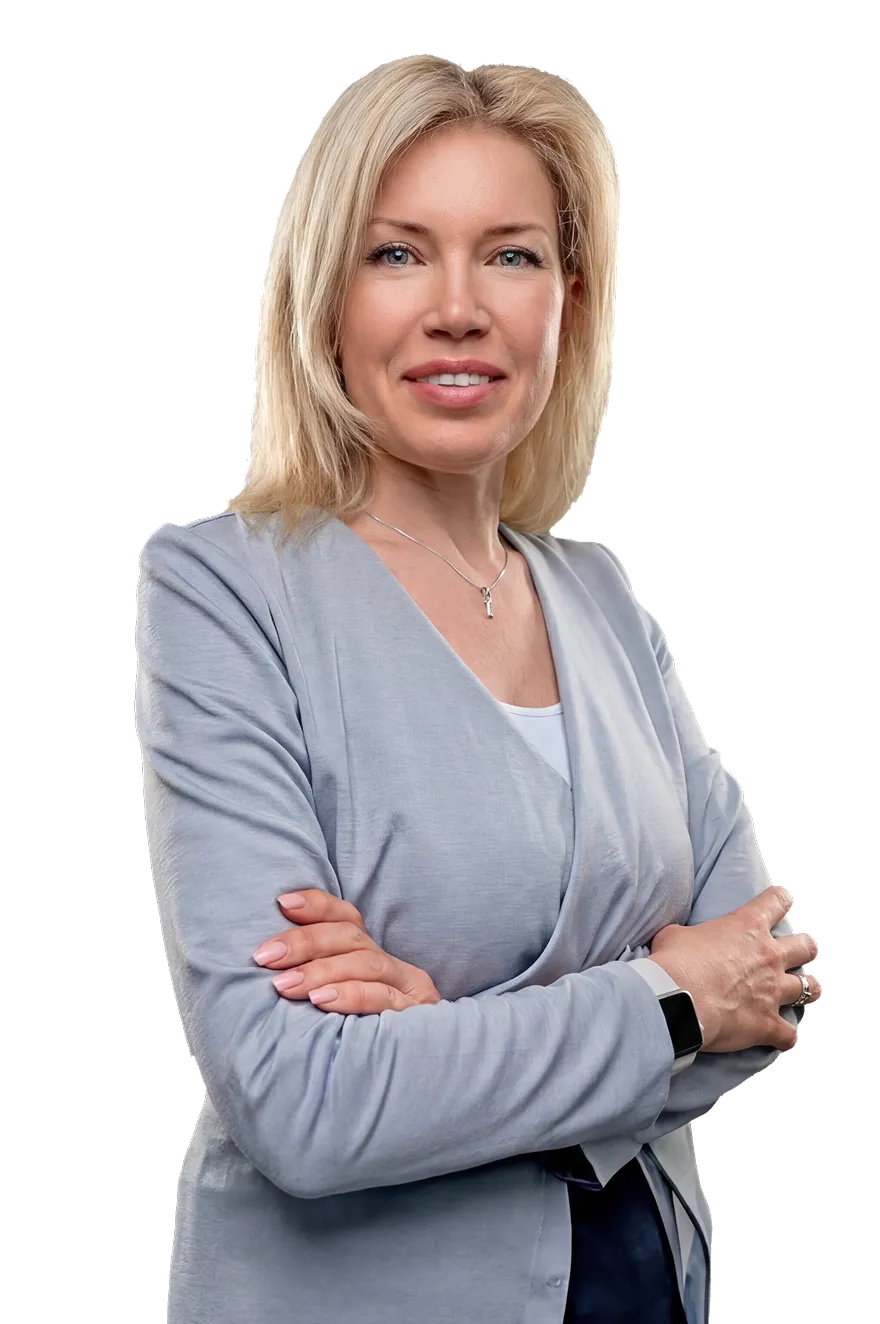
 Anton Molchanov
Deputy Head of the Legal Department
Proving the source of wealth from an international trading business
Most of David’s wealth came from the company. For Due Diligence, Passportivity had to show both how the company generated its revenue and how business profits became David’s personal funds.
The document package included:
- company registration records;
- audited financial statements;
- Nigerian tax documents;
- supply contracts with overseas counterparties;
- invoices and customs records;
- corporate and personal bank statements;
- dividend resolutions and payment records.
David used dividends received in 2024 and 2025 to finance the citizenship project. The bank records showed the chain from the company’s operating income to his personal account and then to the funds reserved for the Grenada application.
This allowed the source of wealth and source of funds to be presented as one consistent financial history.
Expenses on obtaining Grenada citizenship
David chose a
David, Nneka, and Ada spent approximately $263,200 on the citizenship process, excluding Passportivity professional services. Any future US
David’s expenses on Grenada citizenship
| Expense | Amount | What it covered |
|---|---|---|
| NTF contribution | $235,000 | David, Nneka, and Ada |
| Due Diligence fees | $10,000 | David and Nneka |
| Interview fees | $2,000 | David and Nneka |
| Application fees | $4,500 | $1,500 × 3 applicants |
| Application processing fee | $3,500 | $1,500 per adult and $500 for Ada |
| Application handling fee | $5,000 | For a family of up to 4 people |
| Documents and related expenses | ≈ $3,200 | Medical certificates, document preparation, legalisation, courier and |
| Total | ≈ $263,200 | Family of three, excluding Passportivity services |
How the entrepreneur obtained Grenada citizenship
Passportivity started David’s case on April 6th, 2026. David, Nneka, and Ada received their Grenadian passports on August 14th, 2026. The entire citizenship process took just over 4 months, including document preparation, Government Due Diligence, interviews, approval, and the NTF contribution.
Grenada citizenship applications must be submitted through authorised agents, and each case undergoes Government Due Diligence.
-
1 day, April 6th, 2026
Preliminary Due Diligence
Passportivity checked David and Nneka’s business history, public records, visa history, and initial
source-of-wealth information. No issues were identified that prevented the family from proceeding. -
2 weeks
Programme comparison and strategy
Passportivity compared Caribbean citizenship programmes against David’s three priorities: business mobility, diversification, and a potential future US route. David selected Grenada.
-
4 weeks
Document and
source-of-wealth preparationSpecialists collected corporate records, financial statements, tax documents, contracts, invoices, and bank statements. The documents showed how David had accumulated the funds used for the application.
-
May 18th, 2026
Citizenship application
Passportivity submitted the applications for David, Nneka, and Ada through the
authorised-agent procedure. The family paid the applicable government fees. -
9 weeks, May 18th to July 22nd, 2026
Government Due Diligence and interviews
Grenadian authorities reviewed the family’s application, including David’s financial background and the documents confirming Ada’s dependency status. David and Nneka completed the mandatory online interviews required for applicants aged 17 and over.
-
July 22nd, 2026
Approval
The family’s citizenship applications were approved subject to completion of the qualifying contribution.
-
5 business days
$235,000 NTF contribution
David transferred the required
non-refundable contribution to the National Transformation Fund. -
August 14th, 2026
Grenadian passports
Citizenship documents and passports were issued for David, Nneka, and Ada. The entire process took just over 4 months from Preliminary Due Diligence to receiving the passports.
Result: second citizenship as a platform for international expansion
David’s Nigerian business remained his main operating company after he obtained Grenada citizenship. The difference was that his international strategy no longer depended on one passport and one jurisdiction.
Business mobility. David could travel to key European business destinations in the Schengen Area for short stays without applying for a visa each time.
Business expansion. Grenadian citizenship gave David the treaty nationality required to potentially apply for
If David decides to proceed, he would first need to meet the qualifying domicile requirement in Grenada, invest substantial capital in a real US business, satisfy the remaining
The passport solved an immediate problem with travel, but that was not the main value for me. I now have another jurisdiction to build around, while the US remains a possible next step if the business case makes sense.
David Okafor
Founder of an international trading company
Capital. David continued diversifying part of his personal investment portfolio into assets denominated in currencies other than the Nigerian naira.
Family. Nneka and Ada obtained citizenship together with David. The family gained a second permanent nationality and additional options for future international plans.
Grenada citizenship did not replace David’s Nigerian business or create an automatic right to relocate to the US. It added another layer to his international strategy: easier business travel today, broader diversification, and the possibility of pursuing a temporary
Schedule a meeting
Help with the choice
Passportivity experts will analyse your situation and offer the most suitable solution.