

 Real estate
 Reading time: 13 min
 Caribbean Real Estate Investment: Best Islands, Costs, Taxes, and Citizenship Options
Caribbean real estate investment attracts buyers who want a holiday home, rental income, or a
Eligible property usually includes resort shares, apartments, villas, and private homes. The owner can stay there during holidays or place the property under professional management and receive rental income. After

 Share
Share  Telegram
  Facebook
 LinkedIn
 X
X

 Save
Save 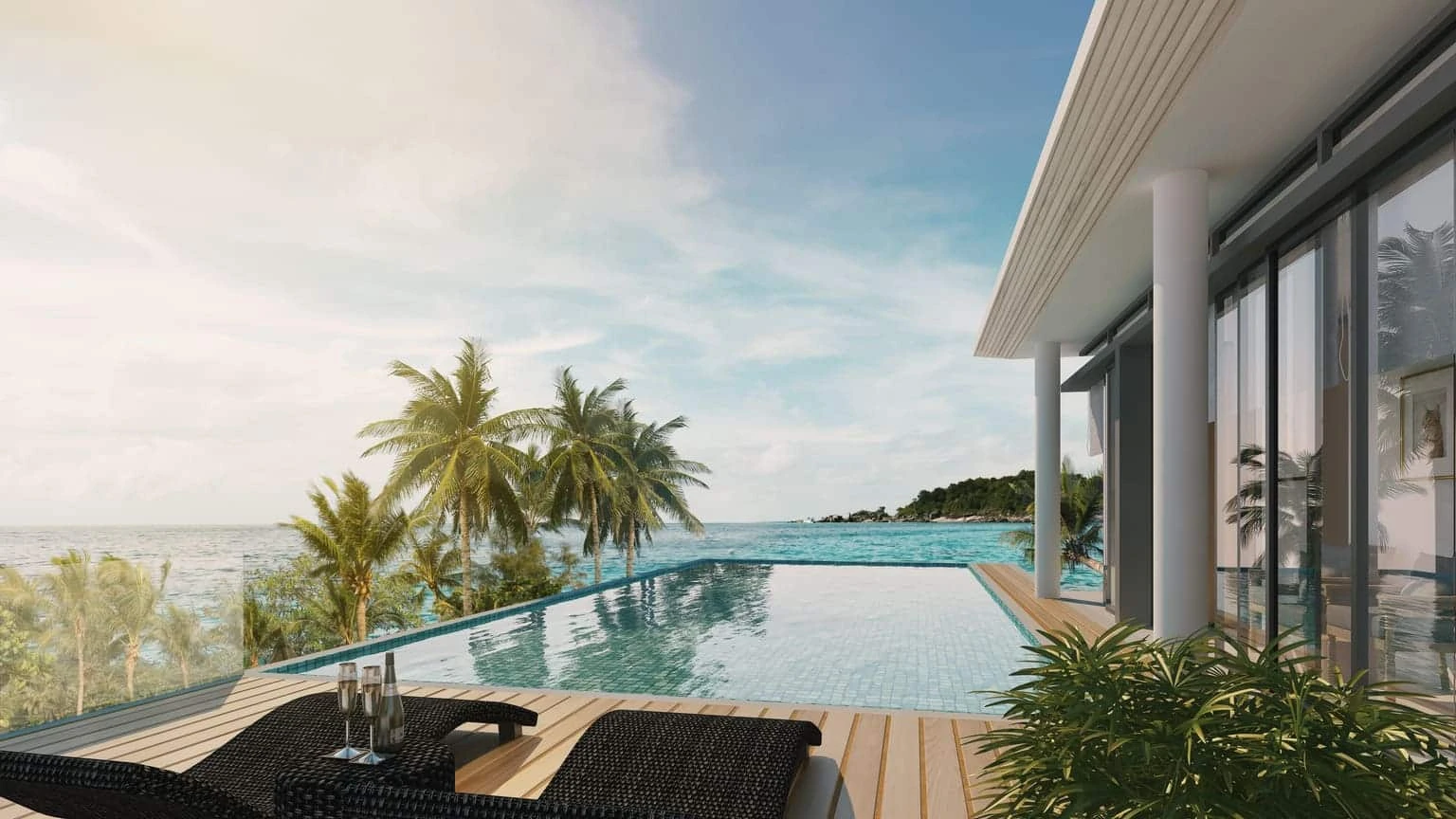

Benefits of buying real estate in the Caribbean
Buying real estate in the Caribbean can combine several goals at once: a holiday home, rental income, capital preservation, and, in some countries, a route to second citizenship.
Second citizenship
Buying approved property provides a route to citizenship in Antigua and Barbuda, Dominica, Grenada, St Kitts and Nevis, and St Lucia. Minimum real estate investments start at $200,000. Applicants also pass Due Diligence, confirm the legal source of funds, and meet the requirements of the chosen country.
Eligible properties are usually part of resort projects, such as hotels, spa resorts, branded residences, apartments, or villas.
Beneficial taxes
Caribbean property investment can be attractive because many islands do not charge capital gains or inheritance tax. For example, Dominica has no capital gains tax, while Antigua and Barbuda have no capital gains, estate, or personal income taxes [135] Source: Invest Dominica states that Dominica has no capital gains tax .
Some Caribbean jurisdictions also do not tax personal worldwide income. St Kitts and Nevis, for instance, has no personal income tax. In other countries, the rules depend on tax residence, source of income, and whether foreign income is remitted or earned locally.
Property ownership is not
Relocation or holiday home
Caribbean property serves as a holiday home, seasonal residence, or personal base for relocation. Investors often choose villas, beachfront homes, or resort apartments for private stays during the winter season.
The property may also form part of a family relocation plan. Family members stay there during holidays, while the owner rents out the property when it is not in use.
Limited day-to-day management
Investors can choose approved resort property that is managed professionally, such as a hotel share or an apartment in a serviced resort complex.
The management company usually handles guest bookings, maintenance, cleaning, and rental payouts under the project agreement. Before buying, investors should check the management fees and whether the property can be used for personal stays.
Rental yields and price growth
Caribbean property can generate rental income if it is located in a tourist area and managed professionally. For example, in St Lucia,
Current data from individual islands also shows that property prices can grow, especially in established markets. In the Cayman Islands, the George Town Residential Property Price Index reached 259.8 in the 1st quarter of 2026, up 6.3%
Ability to recover the investment
The property can be sold after the required holding period, while the investor keeps citizenship. Dominica is often considered by investors who want a shorter exit: approved real estate can be sold after 3 years.
Types of Caribbean property investment
Foreign investors can buy different types of property in the Caribbean: resort units, villas, apartments, land plots, commercial premises, and even private islands. The choice depends on the investor’s goal — rental income, personal use, resale, development, or relocation.
Resort shares and branded residences are common formats for Caribbean citizenship by investment. The investor purchases a share, suite, apartment, or residence in a
The main advantage is professional management. A hotel operator or management company handles bookings, guests, cleaning, maintenance, and rental distribution. The investor does not need to search for tenants or manage the property day to day.
Holiday homes are bought mainly for private use. A buyer may use the property for winter stays, family holidays, remote work, or seasonal relocation.
The most practical holiday homes are located close to beaches, restaurants, shops, marinas, and airports. A house in a remote village may cost less, but it can be harder to rent out and resell.
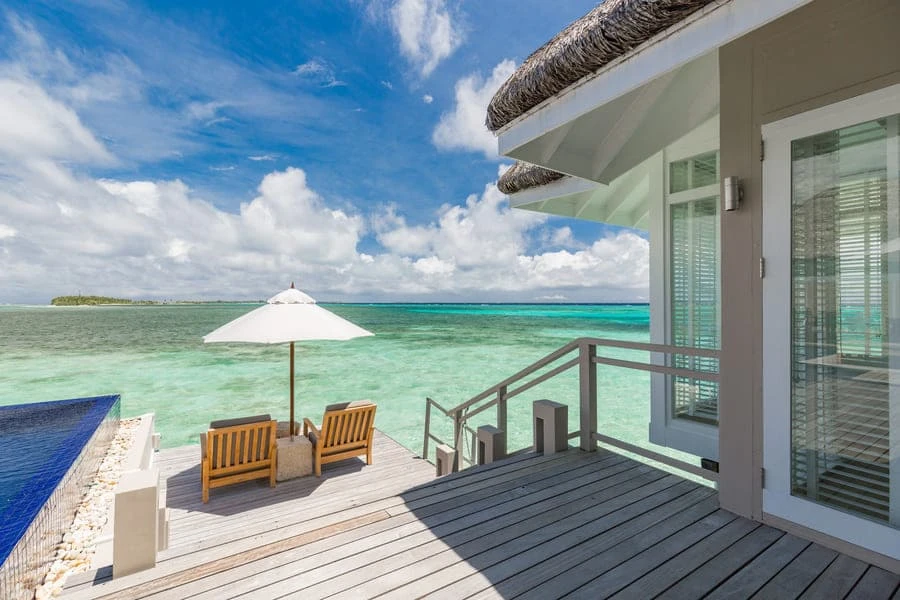
Beachfront villas combine private use with strong
Large villas suit families, groups of friends, and travellers booking longer stays. Unlike a hotel room or small apartment, a villa provides several bedrooms, private living areas, a kitchen, terraces, and sometimes staff services. These features may support higher nightly rates during peak periods.
Condos and apartments are often a more accessible entry point into Caribbean property investment. They are usually located in resort towns, marina areas, residential complexes, or near beaches.
An apartment may be easier to maintain than a villa because the owner shares the cost of security, gardens, pools, parking, and building maintenance with other owners. These costs are usually paid through service charges.
Hotel units are bought mainly for rental income without daily involvement from the owner. The investor purchases a room, suite, or serviced apartment inside a hotel, and the hotel operator manages bookings, guests, cleaning, repairs, and marketing.
The income model is usually fixed in the management agreement. In some projects, owners receive a share of room revenue; in others, income is distributed after operating expenses are deducted. The final payout depends on occupancy, nightly rates, hotel brand, seasonality, service charges, and the operator’s performance.
Commercial property in the Caribbean is usually tied to tourism or local services. Investors buy cafés, retail units, small hotels, guesthouses, office space, or premises that can be leased to operators in busy resort areas.
The main reason to buy commercial property is predictable rental income from a business tenant. A shop near a marina, a restaurant unit by the beach, or a small hospitality property in a tourist town may bring income under a longer lease than a
Land plots give the investor more freedom than a finished villa or apartment. The buyer can design the project from scratch: choose the layout, number of bedrooms, pool, outdoor areas, rental concept, and future positioning for resale.
Investors often buy land to build a private villa, several rental cottages, a small hotel, or a boutique hospitality project.
Construction can quickly make the project more expensive. Design, permits, utilities, access roads, drainage, landscaping, and professional supervision all need to be calculated before the purchase. A cheaper plot with no road access, electricity, or water connection may cost more in the end than a
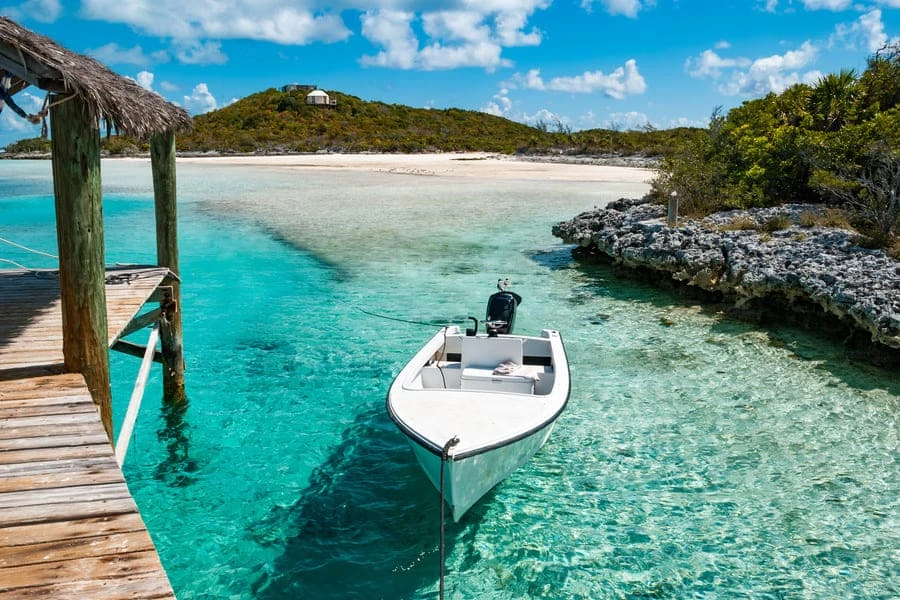
Private islands are a niche option for
Private islands suit investors who want to create an exclusive estate,
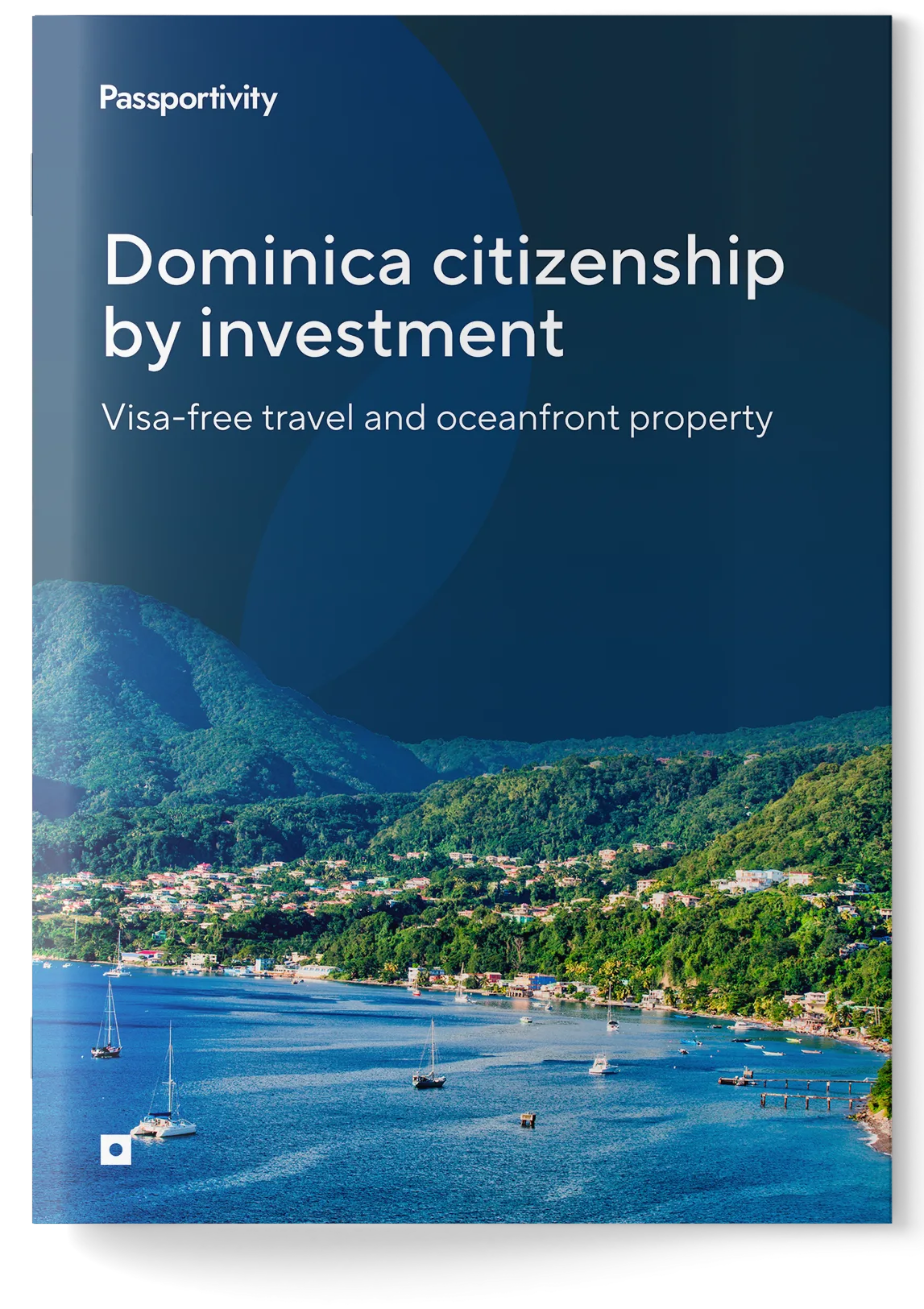
Dominica real estate investment
Dominica citizenship by investment can be obtained by buying real estate in an approved project. Approved property is usually linked to resort and
The minimum real estate investment is $200,000. This makes Dominica one of the most accessible Caribbean citizenship by investment options for investors who want to buy property rather than make a
The investor can include close family members in the application: a spouse, children under 18, financially dependent children aged
Approved real estate may also generate rental income. Investors can usually expect about
Tourism demand supports the resort property market. In 2025, Dominica received 488,091 visitors, 13% more than in 2024.
The application is submitted through an authorised agent. The investor and family members must pass Due Diligence checks, confirm the source of funds, and meet the programme requirements.
Programme fees. The processing fee is $1,000 per application. Due Diligence costs $7,500 for the main applicant and $4,000 for each dependant aged 16 or older.
Applicants aged 16 or older must attend a mandatory interview. The interview fee is $1,000 per interview. The Certificate of Naturalisation costs $500 per person.
After approval, the investor pays a government fee. The fee is $75,000 for a single applicant or $100,000 for the main applicant and up to 3 dependants. If more than 4 people are included in the application, the investor pays an extra $25,000 for each additional dependant under 18 and $40,000 for each additional dependant aged 18 or older.
The property must be held for at least 3 years after citizenship is granted. After 5 years, it can be resold to another
Antigua and Barbuda real estate investment
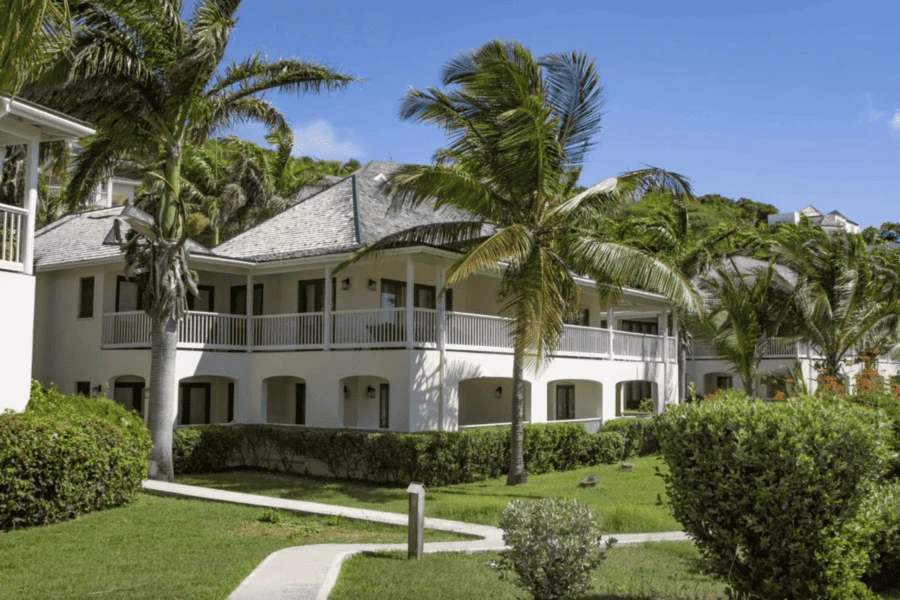
The minimum investment in approved real estate in Antigua and Barbuda is $300,000. Qualifying options include residences in approved developments within
The threshold is higher than in Dominica, but Antigua and Barbuda has a more mature luxury market. Demand is strongest around beachfront resorts, marina areas, and branded developments.
Family applications may include a spouse, financially dependent children up to and including 30, dependent parents and grandparents aged 55 or older, and unmarried siblings of the main applicant or spouse.
Rental demand is supported by tourism. Antigua and Barbuda recorded 110,832
Processing fees depend on the family size. A single applicant pays $10,000. A family of up to 4 pays $20,000. For a family of 5 or more, the fee is $20,000 plus $10,000 for each additional dependant.
Due Diligence fees are paid separately:
- main applicant — $8,500;
- spouse — $5,000;
- dependant aged
12—17 — $2,000; - dependant aged 18 or older — $4,000;
- dependant aged
0—11 — no Due Diligence fee.
Each family member also pays a passport fee of $300. Other
The property cannot be resold for 5 years after purchase, unless the investor buys another officially approved property in Antigua and Barbuda. After obtaining citizenship, the investor must spend at least 5 days in Antigua and Barbuda during the first 5 years.
Grenada real estate investment
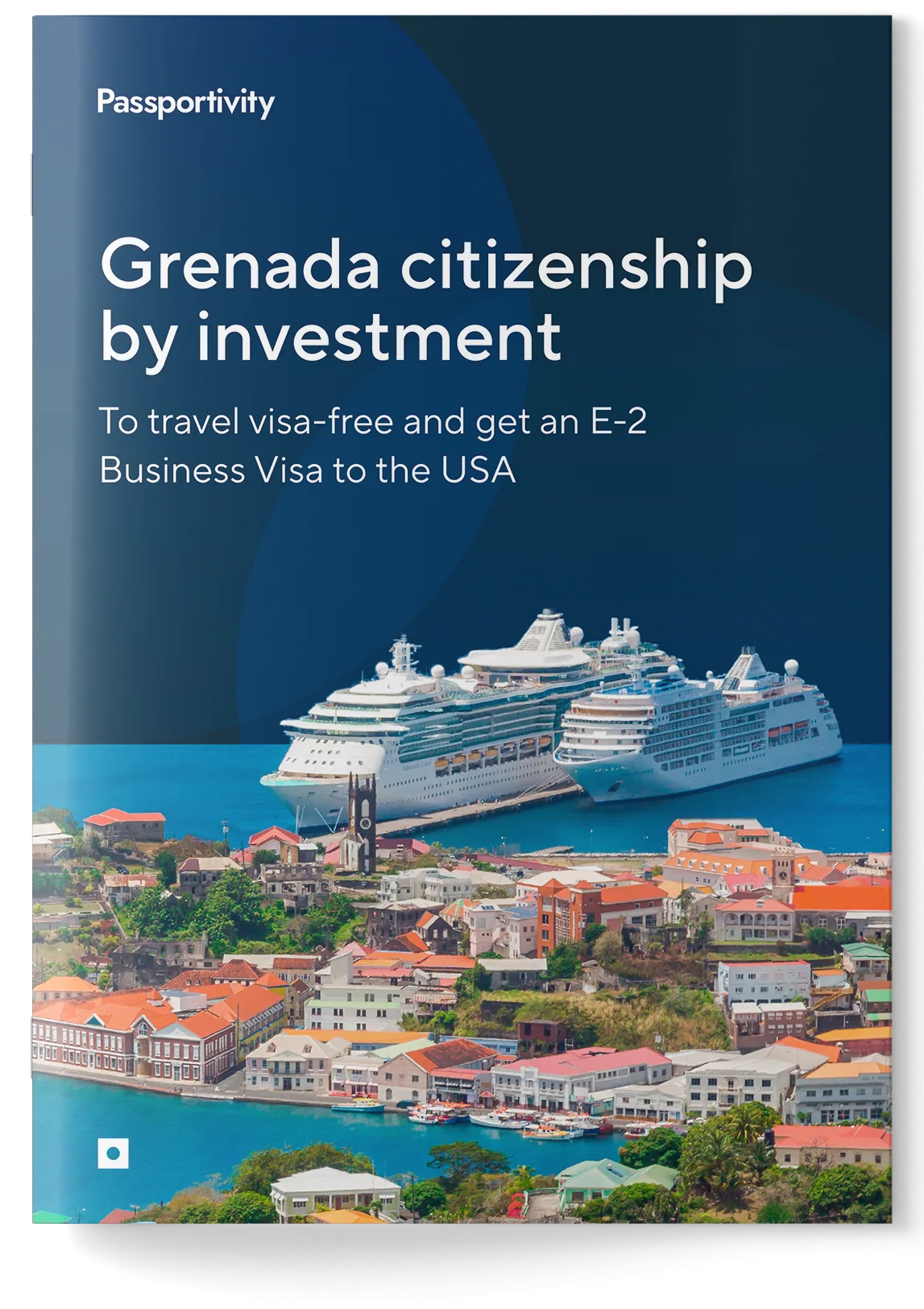
Approved real estate provides one route to Grenada citizenship by investment. The minimum investment is $270,000 for a share in an approved project or $350,000 for a full unit. Qualifying projects usually include luxury hotels, resorts, and villas.
Grenada real estate is often chosen by investors who want a stronger hospitality market than in smaller ecotourism destinations. Approved projects are usually located in areas connected to beaches, resorts, and international tourism, rather than remote residential districts.
The investor can include family members in the application: a spouse, children, parents, grandparents, and siblings, if they qualify as dependants under the programme rules.
Rental income depends on the project and management agreement. For the wider
Tourism data for 2026 also supports demand for accommodation. Grenada welcomed 54,565
The government fee for the real estate route is $50,000 for a single applicant or a family of up to 4, with exceptions for some dependant categories.
Programme fees are paid separately:
- application fee — $1,500 per applicant;
- Due Diligence fee — $5,000 for each applicant aged 17 or older;
- processing fee — $1,500 for each applicant aged 17 or older and $500 for each applicant under 17;
- interview fee — $1,000 for each applicant aged 17 or older.
The property must be held for at least 5 years after citizenship is granted. After that, the investor can sell the asset and keep Grenada citizenship.
St Kitts and Nevis real estate investment
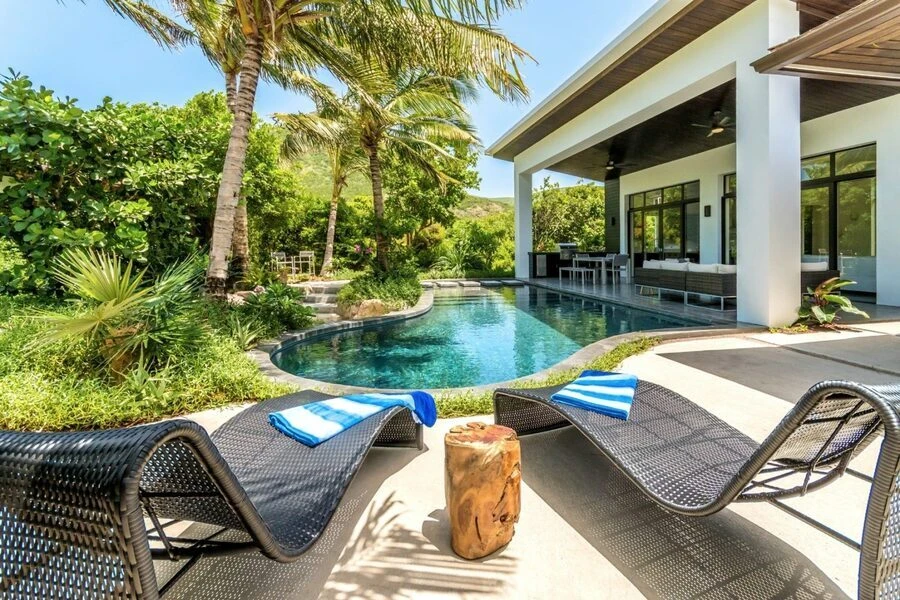
The minimum investment in approved real estate for St Kitts and Nevis citizenship is $325,000. Investors can buy a condominium unit or share in an approved development, usually a hotel, resort, villa project, or other
A separate private real estate route is also available. The minimum investment is $325,000 for a condominium unit or share in designated real estate, or $600,000 for a
The investor can include a spouse, children under 30 if they are financially dependent, and dependent parents or grandparents aged 55 or older.
Rental performance depends on the property and management model. For the wider
The total budget also includes Due Diligence fees. The fee is $10,000 for the main applicant and $7,500 for each dependant aged 16 or older.
After approval in principle, the investor pays
- main applicant — $25,000;
- spouse — $15,000;
- qualified dependant under 18 — $10,000;
- qualified dependant aged 18 or older — $15,000.
The property must be held for at least 7 years. After the holding period, the investor can sell the asset and keep St Kitts and Nevis citizenship.
St Lucia real estate investment
Real estate investment for St Lucia citizenship starts at $300,000. Investors choose property only from approved projects.
St Lucia has 2 active approved real estate options: A’ILA Resorts, Villas & Residences and The Saint Lucia Canelles Resort. A’ILA is located above Rodney Bay, one of the island’s main resort areas. Canelles Resort is a beachfront project in Canelles Bay, Micoud, on the
The investor can include a spouse, children aged 21 or younger, financially dependent children up to and including 30, dependent parents aged 55 or older, and unmarried siblings under 18 with parental or guardian consent.
Resort property in St Lucia may generate rental income from
Tourism demand supports hotels, villas, and serviced apartments. In 2025, St Lucia recorded 1,136,111 visitor arrivals, including 426,676
Administrative fees are paid after citizenship approval. A single applicant pays $30,000, while an applicant with a spouse pays $45,000. Each dependant under 18 adds $5,000, and each dependant aged 18 or older adds $10,000.
The total budget also includes Due Diligence fees. The main applicant pays $8,000, and each qualifying dependant over 16 pays $5,000. A mandatory interview and identity verification process applies to the main applicant.
The property must be held for at least 5 years after citizenship is granted. After the holding period, the investor can sell the asset and keep St Lucia citizenship.
Comparison: Caribbean real estate investment by country
Caribbean countries differ in both the minimum property investment and the additional costs of obtaining citizenship. The table compares the minimum real estate investment and mandatory CBI expenses for a single applicant.
Caribbean citizenship by real estate investment: costs and holding periods for a single applicant
| Country | Minimum Real Estate Investment | Minimum additional CBI costs | Minimum holding period |
|---|---|---|---|
| Dominica | $200,000 | $85,800 | 3 years; 5 years if resold to another CBI applicant |
| Antigua and Barbuda | $300,000 | $20,900 | 5 years |
| Grenada | $270,000 | $59,500 | 5 years |
| St Lucia | $300,000 | $41,100 | 5 years |
| St Kitts and Nevis | $325,000 | $35,661 | 7 years |
Other Caribbean countries to invest in real estate
The Bahamas is one of the strongest luxury real estate markets in the Caribbean. Investors usually consider waterfront villas, marina homes, branded residences, private islands, and resort property close to Nassau, Paradise Island, Exuma, or Abaco.
Buying property in The Bahamas does not lead to citizenship. However, a
The Nassau and Paradise Island market shows how wide the price range can be. In May 2026, the median sale price was $667,500, while the average sale price reached $1.82 million [145] Source: Morley Realty market update provides data for Nassau and Paradise Island in May 2026 .
The Bahamas suits investors who want a recognised luxury market rather than a citizenship route. Waterfront homes and branded resort residences usually require a larger budget, while permanent residence may become relevant for buyers who are ready to hold a
The Cayman Islands market is expensive but relatively stable. In 2025, the official Residential Property Price Index fell slightly, by 1.4%. At the same time, the total value of residential transactions increased by 10% to CI$1.36 billion, and the average transaction value rose by 14% to CI$620,000 [146] Source: Cayman Islands Government, Residential Property Price Index 2025 .
This means that prices did not grow evenly across the market, but buyers continued to spend more on residential property. The strongest growth was recorded in West Bay, where prices rose by 12.1%. Seven Mile Beach, one of the most expensive areas, moved in the opposite direction and fell by 11% [147] Source: Provenance Properties Q2 2026 Market Report, Cayman Islands real estate review .
Turks and Caicos is mainly associated with luxury villas, beachfront homes, resort residences, and rental property in Providenciales, especially around Grace Bay. The market is attractive for buyers who want
As of March 2026, the average sale price was about $1.9 million for
Barbados suits buyers seeking an established residential market and
The residential market became more expensive in 2025. According to Terra Caribbean, transaction volume fell by 2.4%, but total residential sales revenue rose by about 33%, and the average sale price increased by 19%. Sales above $2 million grew by 86%, increasing their share of the market from 6% to 13% [149] Source: Terra Caribbean residential sales report, Barbados real estate market review .
How to buy real estate in the Caribbean and obtain citizenship
The process of obtaining Caribbean citizenship by investing in real estate follows a similar structure across the region. Investors pass Due Diligence, prepare documents, choose approved property, submit the application, and complete the investment after approval.
The timeline depends on the country, the applicant’s background, and how quickly the documents are prepared. Based on Passportivity’s experience, the process usually takes at least 6 months.
-
Preliminary Due Diligence
Before the application starts, Passportivity lawyers run a confidential preliminary check. They review the investor’s passport and basic background information to spot possible risks in advance.
This step helps understand whether the applicant is likely to pass official Due Diligence. If there are risks, lawyers explain them before the investor spends time and money on the application.
-
Preparing the documents
The investor receives a personalised list of documents. It usually includes passports, civil records, bank statements, proof of source of funds, police clearance certificates, and other personal and financial papers.
Lawyers help complete government forms, check translations, certify copies, and prepare the application package for the relevant CBI Unit.
-
Choosing approved real estate
Only
government-approved property can qualify for Caribbean citizenship by investment. In most cases, investors choose a share, apartment, villa, or hotel unit in a resort project.Investors select approved property remotely. Licensed agents compare available projects, check the ownership structure, review rental terms, and prepare the first version of the sale and purchase agreement.
-
Due Diligence and application review
After submission, the Citizenship by Investment Unit starts official Due Diligence. The authorities check the investor’s identity, financial background, source of funds, business history, and possible legal risks.
Some countries also require an interview. It is usually held online with an authorised officer and can be conducted in a language convenient for the investor.
If the application is approved, the Unit issues approval in principle. This means the investor can proceed with the real estate purchase and pay the remaining investment amount.
-
Reserving the property
The investor reserves the selected property by paying a deposit. In most Caribbean real estate routes, the deposit is usually
10—15 % of the property value.The reservation keeps the property assigned to the investor while the citizenship application is being processed.
-
Signing the purchase agreement
After approval, the investor pays the balance and signs the final sale and purchase agreement. The agreement can usually be signed remotely through a representative acting under a power of attorney.
Once the transaction is complete, ownership is registered in the country’s public land or property registry.
-
Receiving the passport
After the investment is confirmed, the Citizenship by Investment Unit finalises the citizenship documents. The investor and approved family members receive naturalisation certificates and passports.
The documents are issued within several weeks and delivered to the investor by courier.
Risks and disadvantages of Caribbean real estate investment
The main risks involve limited liquidity, project selection, variable rental income, climate, construction timelines, and ongoing expenses.
Limited liquidity
Selling property in the Caribbean can take longer than in large real estate markets. Demand is usually concentrated in tourist areas, resort zones, and projects with strong management. Properties outside these locations may stay on the market for months.
The exit also depends on the type of property. A beachfront villa or a unit in a
For citizenship by investment, the holding period matters too. Investors normally need to keep the property for several years before selling it and preserving citizenship. A quick exit is rarely part of this strategy.
Citizenship by investment rules limit the investor’s choice. To qualify, they must buy property approved by the government.
Approved real estate may be more expensive
Approved real estate often comes with a premium. The price may reflect not only the property itself, but also the project’s legal structure, government approval, resort infrastructure, management model, and demand from foreign investors.
This does not make approved property a bad investment. It means the investor should compare the price with similar properties on the open market and understand what exactly they are paying for: citizenship eligibility, rental potential, brand, location, or future resale terms.
Rental income is not guaranteed
Rental income from Caribbean property depends on tourism. Occupancy and rates are usually higher in the winter season, when travellers from Europe and North America visit the islands more actively. In the low season, income can fall.
The result also depends on the property’s location, management company, room category, marketing, maintenance quality, and guest reviews. Two similar units in the same country can bring different income if one is managed better or located closer to the beach, marina, or resort infrastructure.
Before buying, investors should check how rental income is calculated. Some projects offer a fixed return, while others distribute income after expenses. The agreement should show management fees, service charges, repair costs, insurance, and the conditions for personal use of the property.
Climate and insurance risks
Caribbean property requires more attention to climate protection. Tropical storms, heavy rain, humidity, salt air, and strong sun can affect roofs, façades, windows, engineering systems, furniture, and outdoor areas.
Insurance is an important part of the budget. In coastal and resort areas, policies may be more expensive because of hurricane and flood risks. Some insurers may also set exclusions or require higher deductibles. In
Regular maintenance reduces
Developer and construction risk
Some
Construction may take longer than expected because of weather, supply delays, labour shortages, financing issues, or changes in permits. If the resort opens later than planned, rental income may also start later.
The developer’s track record matters. Before investing, buyers should review completed projects, financing structure, land rights, construction permits, operator agreements, and what happens if the project is delayed.
Hidden ownership costs
The purchase price is only one part of the budget. Property ownership usually includes government fees, legal fees, insurance, management costs, maintenance, utilities, service charges, and sometimes reserve funds for future repairs.
In resort projects, these costs are often deducted before rental income is paid to the investor. This can reduce the actual return compared with the headline yield shown in marketing materials.
Investors should request a full cost breakdown before signing the agreement. The calculation should include purchase costs, annual ownership expenses, taxes, insurance, management fees, and expected costs at resale.
Key points about Caribbean real estate investment
- Five Caribbean countries — Antigua and Barbuda, Dominica, Grenada, St Kitts and Nevis, and St Lucia — offer citizenship by investment by the purchase of real estate.
- Citizenship is available only through approved real estate.
Open-market villas, apartments, or land plots usually do not qualify. - The minimum investment depends on the country. Approved real estate starts from $200,000 in Dominica, $270,000 in Grenada, $300,000 in Antigua and Barbuda and St Lucia, and $325,000 in St Kitts and Nevis.
- Most
citizenship-approved properties areresort-linked . Investors usually buy hotel shares, resort apartments, serviced residences, branded residences, or villas managed by a professional operator. - The property must be held for several years. The minimum holding period is 3 years in Dominica, 5 years in Antigua and Barbuda, Grenada and St Lucia, and 7 years in St Kitts and Nevis.
About the authors


Frequently asked questions
Yes, several Caribbean countries allow investors to obtain citizenship through real estate investment. This option is available in Antigua and Barbuda, Dominica, Grenada, St Kitts and Nevis, and St Lucia.
The investor must buy property approved by the government, pass Due Diligence, confirm the legal source of funds, and meet the investment terms of the chosen country.
Dominica has the lowest real estate threshold among the Caribbean
Grenada’s minimum is $270,000 for a share in an approved project. The threshold is $300,000 in Antigua and Barbuda and St Lucia and $325,000 in St Kitts and Nevis.
To apply for a Caribbean passport through real estate, the investor must choose a
After the required holding period, the investor can usually sell the property and keep citizenship.
The resale strategy should be checked before purchase. Liquidity depends on the island, location, project status, developer reputation, rental performance, resale rules, and demand from future buyers.
Read also




Contact us today
Passportivity assists international clients in obtaining residence and citizenship under the respective programs. Contact us to arrange an initial private consultation.