

 Real estate
 Reading time: 14 min
 Best Countries for Investing in Foreign Real Estate in 2026
Buying real estate is one of the reliable ways to preserve capital. Investments in residential and commercial properties in different countries reduce investment risks and provide an opportunity to receive additional income from renting out real estate.
The governments of some countries actively attract foreign investors to real estate. To do this, they simplify the procedure for purchasing properties and offer a residence permit or citizenship.

 Share
Share  Telegram
  Facebook
 LinkedIn
 X
X

 Save
Save 

5 reasons to buy real estate abroad
Foreign real estate may serve several goals at once. Investors buy property abroad to diversify assets, receive rental income, obtain a residence permit, or use the property as a holiday home. The result depends on the country, property type, tax rules, and local demand.
1. Diversification of the investment portfolio
Buying real estate in different countries makes it possible to receive rental income and reduces the risks of losing capital, compared with buying properties in only one country. If an economic or political crisis occurs in one of the countries, real estate in other countries will continue to generate profit and grow in value, compensating for losses.
2. Residence permit and second citizenship
A residence permit allows an investor to live in the country, use medical services in local clinics, and study at universities. When buying real estate in some countries, for example in Greece or Malta, it is possible to obtain a residence permit by investment.
After several years of living in the country with a residence permit, investors apply for citizenship by naturalisation. For example, Portugal grants citizenship after 10 years of residence in the country, while Greece grants citizenship after 7 years.
With second citizenship, investors receive all the rights of a citizen, for example, the right to work and participate in elections. In some countries, citizenship by investment programs operate: investors obtain passports if they invest money in the country’s economy, including by buying real estate.
Foreigners can access citizenship by investment programs in real estate in Egypt, Türkiye, and 5 Caribbean countries.
3. Tax benefits
In Georgia, individuals pay 5% tax on income from renting out residential property. This rate applies if the property is rented out for residential purposes and the landlord does not deduct expenses.
In the UAE, there is no property, gift, or inheritance tax. This reduces the costs of maintaining a property, while profit from reselling or renting it out increases.
4. Passive income
Foreigners can rent out real estate if local legislation allows this. In 2026, gross average annual rental yields in popular countries are:
- 7.4% — in Georgia [212] Source: Georgia yield, Global Property Guide ;
- 7.3% — in Türkiye [213] Source: Türkiye yield, Global Property Guide ;
- 5.4% — in Spain [214] Source: Spain yield, Global Property Guide ;
- 4.9% — in the UAE and Cyprus [215] Source: UAE yield, Global Property Guide ;
- 3.9% — in Malta [216] Source: Malta yield, Global Property Guide .
5. Holiday home abroad
Owning real estate abroad allows investors to save on daily rentals during holidays. Even during periods of increased demand, school holidays and long public holidays, they do not have to worry about a lack of available apartments and can relax with the comfort of home.

How to choose a country for buying real estate
When choosing a country, real estate investors compare economic indicators: GDP, inflation rate, and the stability of the national currency exchange rate. They also pay attention to legal specifics:
- observance of property owners’ rights;
- conditions for foreigners to own real estate;
- restrictions on buying land or certain types of real estate.
Buyers assess the location of a property: the district’s infrastructure, leisure facilities, and transport accessibility. This affects the profitability of real estate. The more developed the country, the easier it will be to rent out or sell the property in the future.
When choosing a city or district, investors analyse infrastructure development plans and the pace of construction: how long the district will be built up, which public spaces will appear, and exactly when. For example, embankments, parks, and shopping centres within walking distance increase demand when apartments are rented out.
Investors compare the cost of real estate and rental payments: the lower the property price and the higher the rental income, the faster the invested money will be returned.
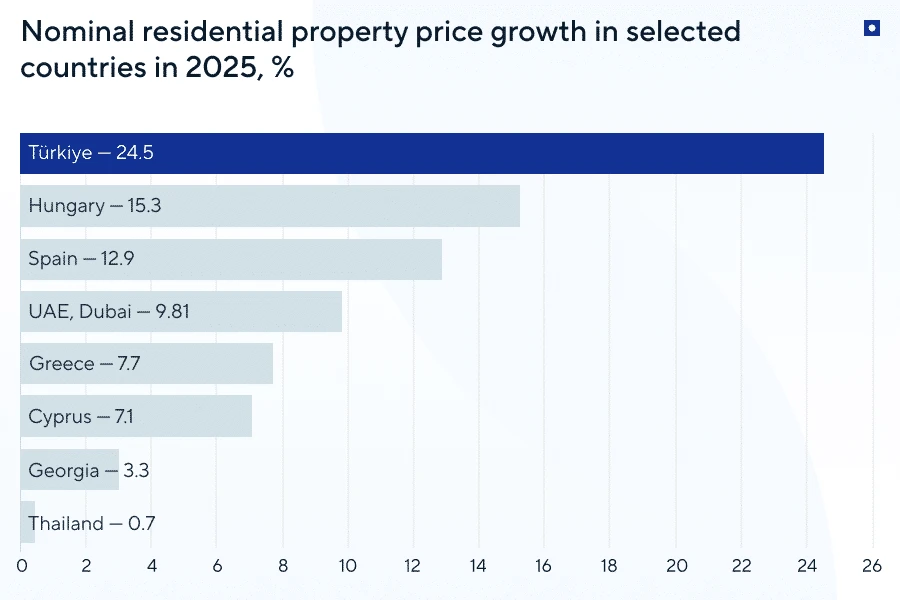
With the right choice of country, in addition to rental income, the value of the property will also grow due to an increase in its price. For example, in 2025, Dubai’s residential real estate price index grew by 9.81%
[217]
Source: Dubai price index, Dubai Land Department
. In Georgia, new residential property prices in Tbilisi rose by 3.3%
Greek real estate: a path to a residence permit and EU citizenship
Greece attracts property investors through tourism demand, EU residence, and the Golden Visa route. In the third quarter of 2025, apartment prices rose by 7.7%
A Greek Golden Visa is available when buying real estate. The minimum investment usually starts at €400,000. In
The residence permit is valid for 5 years. It can be renewed if the investor keeps the property. Greece is part of the Schengen Area, so residents may travel to other Schengen countries without a visa for up to 90 days in any
When buying property in Greece, investors pay transfer tax and registration costs. Real estate transfer tax is 3% if the transaction is not subject to VAT.
The investor may include close family members in the application. These include a spouse or partner with a cohabitation agreement registered in Greece, children under 21, and parents of any age. Children aged 18 to 20 must be financially dependent on the investor.
Türkiye: investing in real estate with an opportunity to obtain citizenship
Türkiye attracts investors with its
In May 2026, Türkiye’s Residential Property Price Index rose by 24.5%
The disadvantages of Türkiye include:
- High seismic activity in some regions of the country. The latest earthquake occurred in 2023 on the border with Syria, when more than 160,000 buildings were destroyed.
- Instability of the lira, the national currency, which affects the value of real estate in dollar terms.
A Turkish residence permit is available when buying residential real estate worth at least $200,000. The investor, their spouse, and children may apply.
In 2026, Türkiye reopened most areas that were previously restricted for residence permit applications [219] Source: Residence permit areas, Türkiye Today . The main exceptions are Fatih and Esenyurt in Istanbul, which remain closed for this route. Investors should check the property address before purchase.
Residents may set up a business in Türkiye. They also gain access to local education and healthcare services.
Turkish citizenship is granted for real estate investment of at least $400,000. Investors can buy commercial or residential properties. After 3 years of ownership, it is permitted to sell the real estate and return the investment.
Türkiye recognises second citizenship, so investors do not have to renounce other passports. Obtaining citizenship by investment takes at least 12 months. The status is also granted to the investor’s family members: their spouse and children under 18.
Cyprus: real estate for permanent residence and business in the European Union
Investors often choose Cyprus to relocate a business and operate in a
Personal income tax is progressive. In 2026, the first €22,000 of annual income is
Cyprus does not charge annual immovable property tax. However, property purchases and disposals may involve VAT, transfer fees, capital gains tax, and other transaction costs.
Cyprus permanent residence by investment is available when buying eligible real estate worth at least €300,000. Applicants also confirm annual income of at least €50,000 from abroad.
The investor may include a spouse and dependent children in the application. Children aged up to 17 inclusive must depend financially on the investor. Children aged 18 to 24 inclusive must be unmarried, depend financially on the main applicant, and study at a university.
Caribbean real estate: 5 countries offering citizenship through property investment
Caribbean real estate attracts investors who want a holiday property, rental income, and a backup plan for their family. In several Caribbean countries, buying approved property may also qualify an investor for citizenship by investment.
Real estate under these programs is usually limited to
5 Caribbean countries offer citizenship by investment through real estate:
- Antigua and Barbuda — approved real estate from $300,000. The property usually cannot be resold within 5 years.
- Dominica — approved real estate from $200,000. The property must be held for at least 3 years, or 5 years if it is resold to another citizenship by investment applicant.
- Grenada — approved real estate projects from $270,000. Investors also pay government and Due Diligence fees.
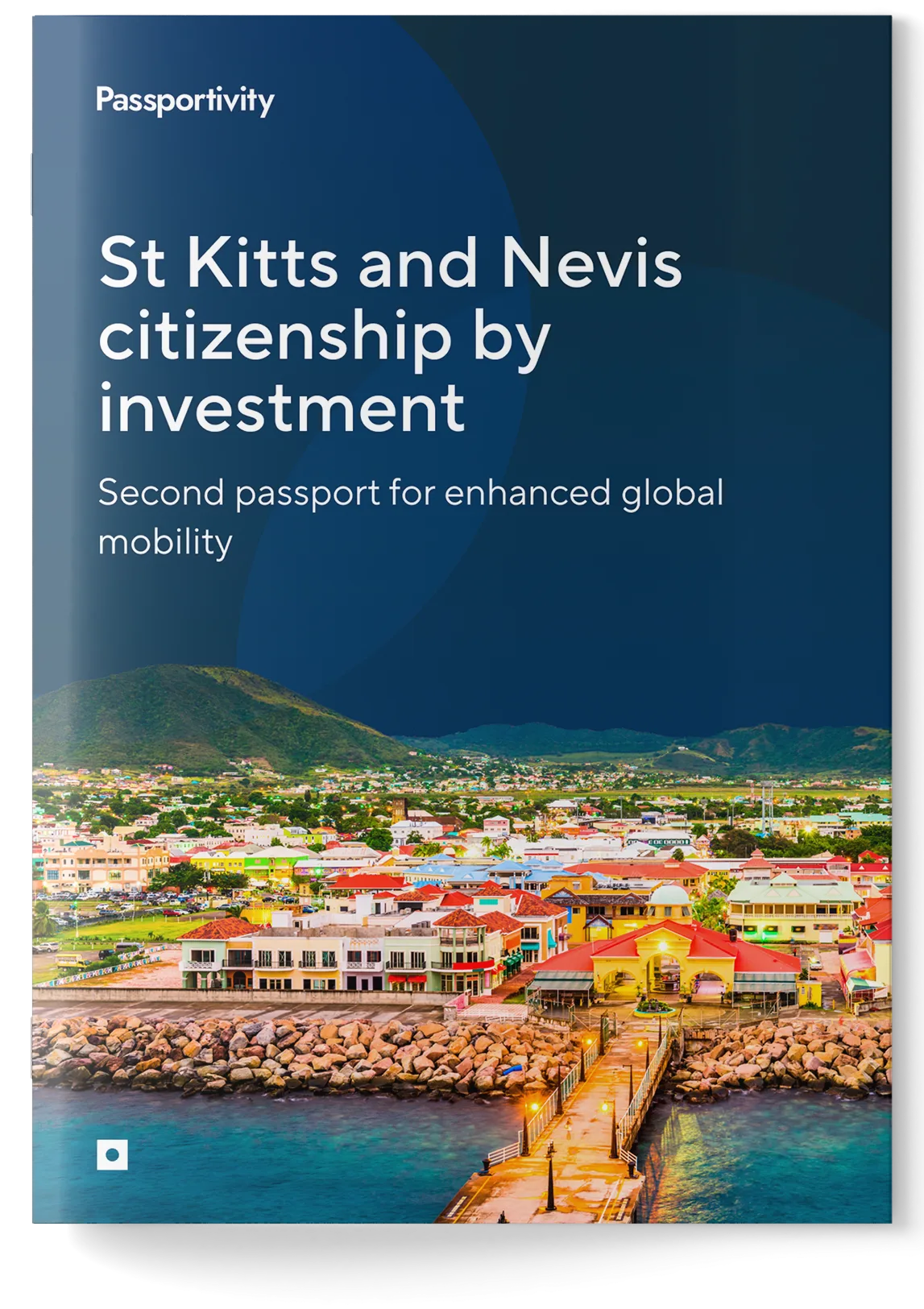
- St Kitts and Nevis — designated real estate from $400,000. Additional government fees and Due Diligence fees apply.
- St Lucia — approved real estate projects from $300,000. The investment must usually be held for at least 5 years.
Caribbean citizenship by investment does not guarantee profit from property. The return depends on the project, location, hotel operator, occupancy rate, maintenance costs, and resale conditions. Applicants must also pass Due Diligence checks, and the government makes the final decision on each application.
UAE real estate: a low-tax environment for investors
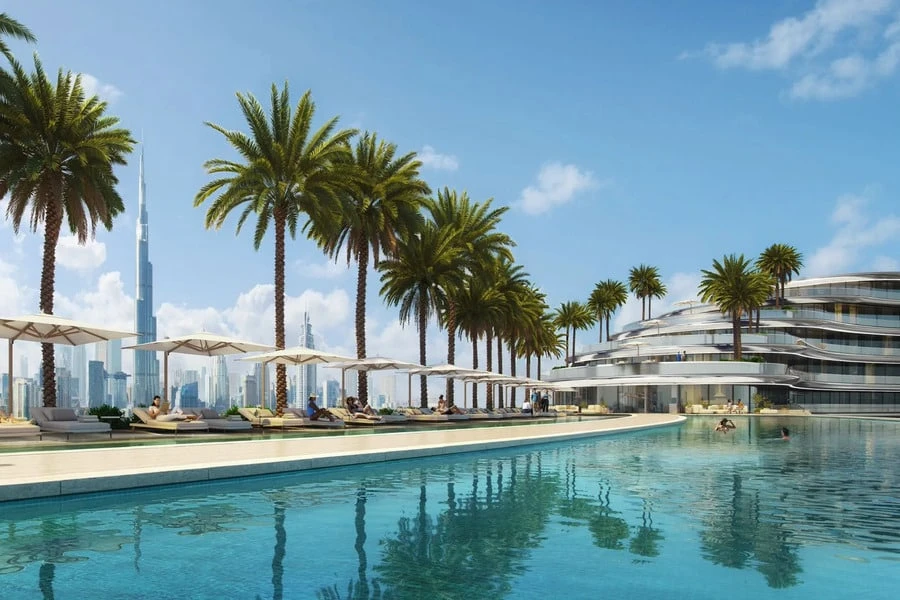
Real estate investors choose the United Arab Emirates for its stable economy and high standard of living. There is almost no corruption in the UAE, and in 2024, the country ranked 2nd in the ranking of the safest countries according to Numbeo.
Entrepreneurs open companies in the UAE to operate in a
Companies in free zones may qualify for a 0% corporate tax rate on qualifying income. To use this rate, a company must meet the requirements for a Qualifying Free Zone Person.
VAT in the UAE is 5%. Individuals do not pay personal income tax, wealth tax, gift tax, or inheritance tax.
Property owners in the UAE do not pay annual property tax. However, buyers usually pay registration fees, service charges, and other transaction costs.
Dubai residential property prices continue to rise. In 2025, the residential real estate price index grew by 9.81%. Villas rose by 14.83%, and apartments by 7.38%.
The disadvantages of the UAE include high prices for food, clothing, and transport: the average expenses of a family of 4, excluding rent, are $3,400 per month. Many people do not like the climate in the UAE: it is hot and dry, with frequent sandstorms.
The UAE offers residence options to real estate investors. In Dubai, property owners may apply for a
A
Foreign investors usually buy property in freehold areas. These are designated locations where foreigners may register real estate in full ownership. Eligible properties and visa conditions should be checked before purchase.
When buying property in the UAE, investors pay a
In Abu Dhabi, the fee is 2% of the property value under the sale and purchase agreement. In Dubai, the fee is 4%.
In Dubai, buyers also pay a registration trustee fee. It is AED 2,000, or about $545, for properties worth less than AED 500,000. For properties worth AED 500,000 or more, the fee is AED 4,000, or about $1,090.
The process of obtaining a residence permit takes at least 2 months. The investor can add family members to the application: their spouse, children, and parents.
Malta real estate: permanent residence and tax optimisation
Malta is an island state in the centre of the Mediterranean Sea. English is an official language in the country along with Maltese, and 90% of the population speaks it. The island’s climate and safe marinas attract yachtsmen. It is convenient to travel across the Mediterranean Sea from Malta.
For real estate investors in Malta, SDA areas are provided — special zones with
Malta’s real estate market remains attractive for investors who want property in the EU and the Schengen Area. Property prices vary by location, property type, and distance from the sea.
When buying real estate in Malta, investors should budget for transaction costs. The main buyer’s cost is stamp duty, which is generally 5% of the property value. Notary fees and due diligence costs are paid separately.
Malta does not charge annual wealth tax or a similar annual property tax. If the property is subject to ground rent, the owner pays it under the property title terms.
When selling property in Malta, the transfer is generally subject to final withholding tax. In most cases, the rate is 8% of the transfer value. A 10% rate may apply to property acquired before January 1st, 2004. Special rates and exemptions may apply in specific cases.
Tax residence in the country allows investors to pay taxes on more favourable terms than in most EU countries. A special tax regime applies to participants of the Malta residence permit by investment program: 15% on income earned abroad and remitted to the island. The minimum tax amount per year is €15,000 per family.
There are no additional taxes for the investor’s relatives or inheritance tax.
A residence permit in Malta is obtained for investments of at least €30,000. Foreigners pay an administrative contribution and buy or rent real estate in Malta.
When renting, the investment amount depends on the region where the investor rents real estate. The minimum rental cost in the south of Malta and on the island of Gozo is €8,750 per year, and in other regions, €9,600 per year.
If buying real estate is chosen, it will be necessary to purchase a property worth:
- at least €220,000 on the island of Gozo and in the southern part of the country;
- €275,000 in the other regions.
In both cases, the investor also pays an administrative fee of €5,500 or €6,000, depending on the region.
To maintain residence permit status, one needs to pay annual tax of at least €15,000 and rent or own real estate. At the same time, the real estate cannot be rented out or subleased. Living in Malta is not mandatory, but it is important not to spend more than 183 days a year in any other country.
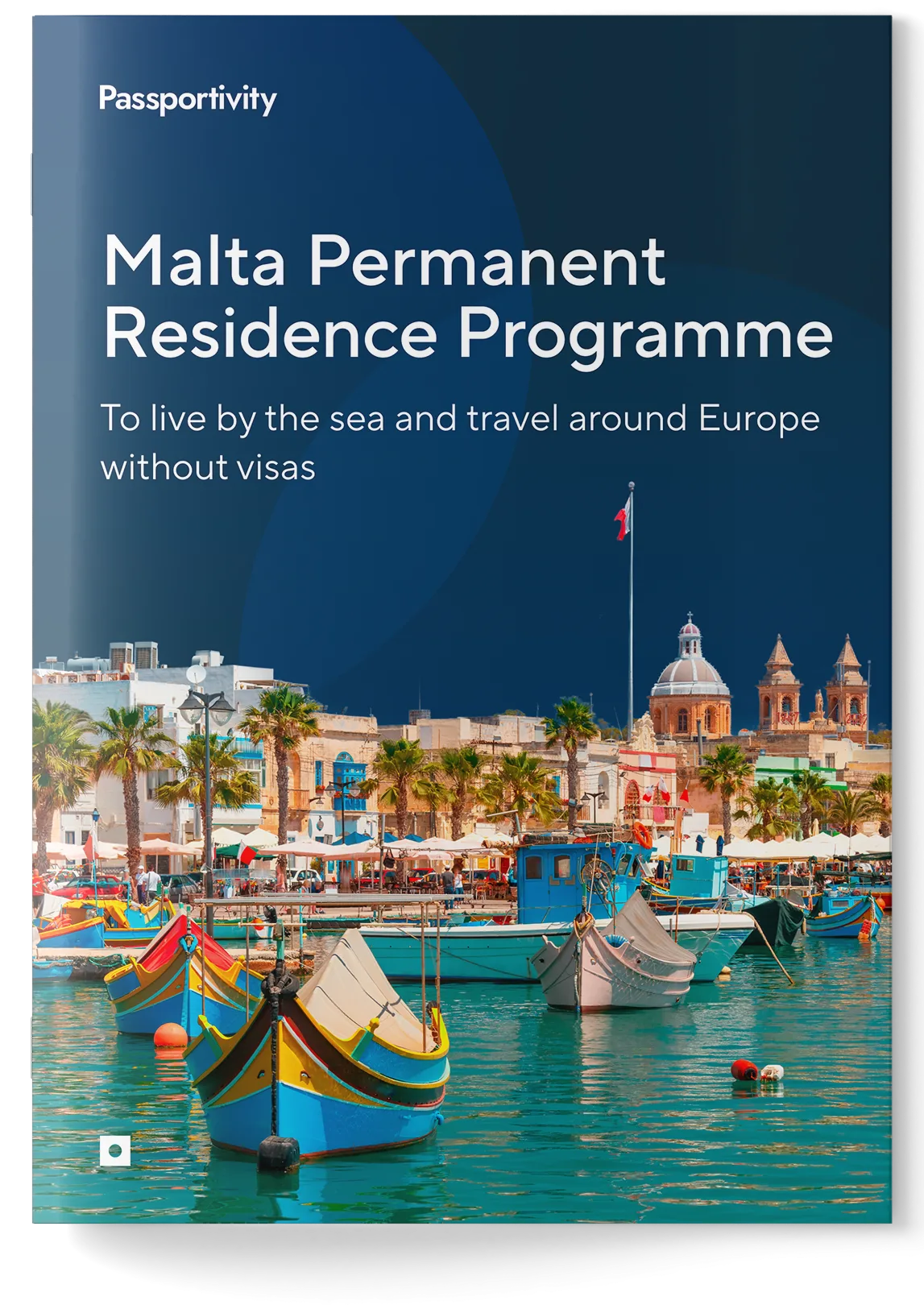
Malta offers permanent residence by investment through the Malta Permanent Residence Programme. The status is granted for life, while the residence card is renewed every 5 years.
Applicants must rent or buy qualifying housing in Malta, pay program fees, make a charitable donation, and pass Due Diligence. The property purchase option starts at €375,000. The rental option starts at €14,000 per year.
The program allows investors to include a spouse, children, parents, and grandparents if they meet dependency requirements.
Thailand: real estate for holidays and a Plan B
Thailand’s residential property market shows moderate growth. The nationwide Residential Property Price Index reached 177.1 in April 2026, compared with 175.9 in December 2025 [220] Source: Property indicators, Bank of Thailand .
Foreign investors often choose Bangkok, Pattaya, and Phuket. Bangkok is the country’s business centre. Pattaya and Phuket are popular resort destinations with demand from tourists and expats.
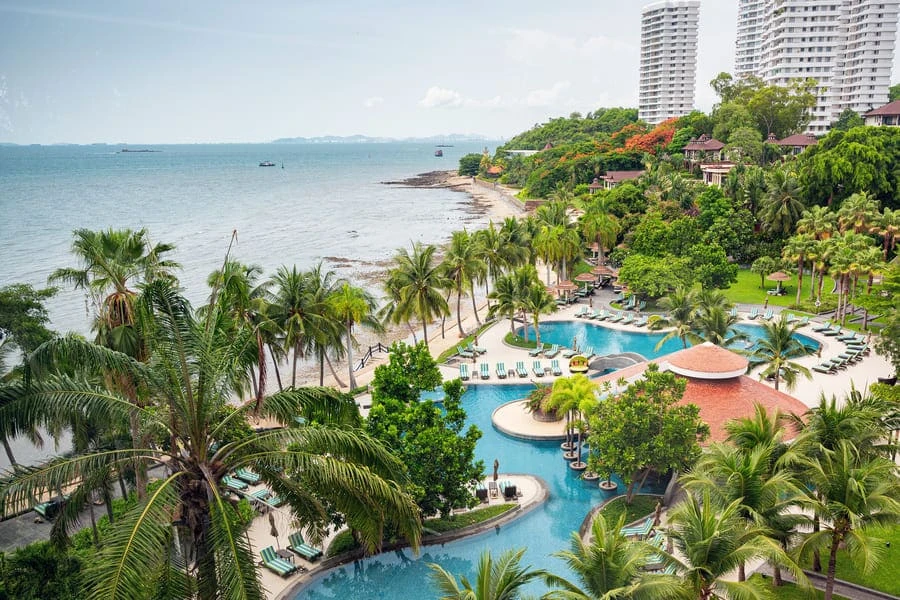
Thailand is suitable for investors who want a holiday home abroad or a backup plan. Coastal areas have a tropical climate and attract tenants throughout the year. Demand may vary by season and location.
Foreigners usually buy condominium units in freehold. Land plots are more restricted for foreign buyers, so villas are often structured through leasehold or other legal arrangements. Investors should check the title, foreign ownership quota, and lease terms before purchase.
Foreigners may qualify for a
The LTR visa is issued for up to 10 years. The first permission to stay is granted for 5 years and may be extended for another 5 years if the applicant still meets the requirements.
A spouse and children under 20 may apply as dependants.
Spain: a high-demand property market by the sea
Spain has consistently high demand for buying and renting real estate. In 2025, the country received 96.8 million international visitors.
Housing prices continue to rise. In the first quarter of 2026, Spain’s Housing Price Index increased by 12.9%
Property buyers in Spain should consider taxes and maintenance costs. Owners pay annual municipal property tax, or IBI. The rate depends on the municipality and the cadastral value of the property.
Spain no longer grants residence by investment for buying real estate. The Golden Visa route was closed on April 3rd, 2025.
Financially independent applicants may consider Spain’s
The main applicant must prove funds equal to at least 400% of IPREM. Each family member requires an additional 100% of IPREM. The initial residence permit is usually issued for 1 year and may be renewed if the applicant continues to meet the requirements.
After 5 years of legal residence, applicants may qualify for
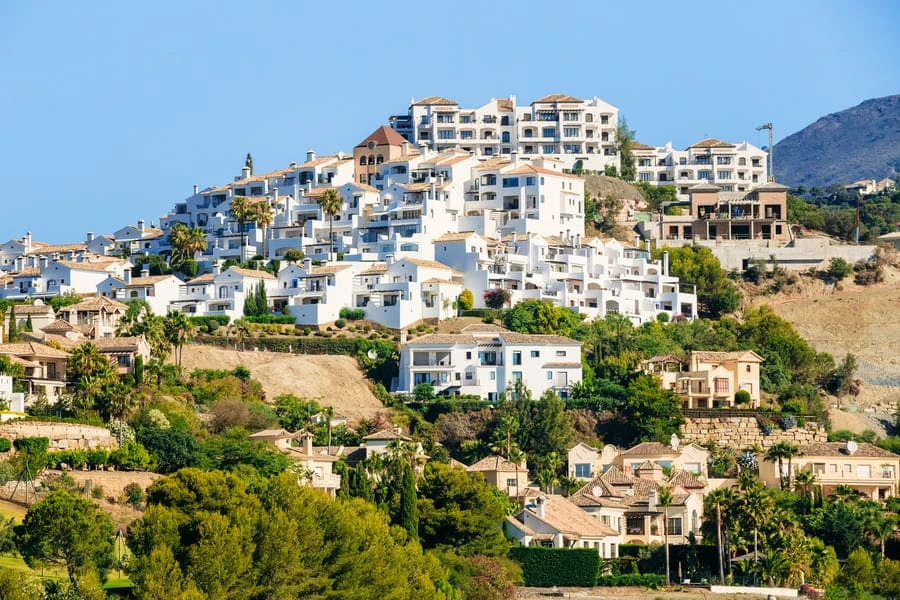
Georgia real estate: high yield at an affordable price
Foreign investors may buy real estate in Georgia, except agricultural land. Property prices continue to grow in the capital. In the 4th quarter of 2025, the Residential Property Price Index for new residential property in Tbilisi rose by 3.3%
Investors should consider the main rules for buying and owning property in Georgia:
- buyers do not pay transfer tax when purchasing real estate;
- ownership is registered after payment of a state registration fee;
- individuals pay 5% tax on income from renting out residential property for residential purposes;
- individuals pay 5% tax on profit from selling an apartment or a house with an attached land plot;
- agricultural land is generally not available for purchase by foreign investors.
Georgia is located between Europe and Asia. The country may be convenient for entrepreneurs who work with international clients. The standard corporate tax rate is 15%. A 20% rate applies to commercial banks, credit unions, microfinance organisations, and loan providers.
Individual entrepreneurs may use special tax regimes. Micro businesses with annual turnover below GEL 30,000 and no employees may be exempt from tax on business income. Small businesses with annual turnover below GEL 500,000 may pay 1% tax on turnover. The rate increases to 3% if annual turnover exceeds GEL 500,000.
Buying real estate worth at least $150,000 may qualify a foreign investor for a
A larger investment of at least $300,000 may qualify a foreigner for an investment residence permit. This permit is issued for 5 years. After 5 years, the investor may apply for permanent residence if they keep the qualifying investment and meet the renewal conditions.
The investor’s spouse and children may apply together with the main applicant.
Hungary: real estate investment for living and working in the centre of Europe
Hungary is located in Central Europe and is part of the European Union and the Schengen Area. Budapest is the country’s main business and real estate market, while the Balaton region is popular for holiday homes and seasonal rentals.
Hungary has relatively low tax rates compared with many EU countries:
- personal income tax is 15% for most types of income;
- corporate income tax is 9%;
- rental income is generally taxed at 15%;
- capital gains from selling real estate are generally taxed at 15%, but the taxable base depends on the holding period and eligible deductions.
When buying real estate in Hungary, investors pay transfer tax. The rate is 4% of the property’s fair market value up to HUF 1 billion. A 2% rate applies to the amount above this threshold, with a cap of HUF 200 million per property.
Residential property prices continue to grow. In the first quarter of 2025, house prices in Hungary increased by 15.3%
Investors often choose Budapest and the Balaton region. Budapest attracts
Investors should consider regulatory and political risks. Hungary’s relations with EU institutions remain a factor for
Hungary has issued Golden Visas since July 1st, 2024. The country announced that real estate owners with properties worth at least €500,000 would be able to apply for a residence permit by investment, but this option has not been launched.
Investors obtain a Golden Visa if they buy shares of investment funds or make a donation to a university.
After 3 years of living in Hungary with a residence permit, an investor has the right to apply for permanent residence. After 8 years of residence with a permanent residence permit, it is permitted to submit documents for citizenship.
With a residence permit in Hungary, the investor and their family can use the services of local hospitals, banks, schools, and universities, as well as work as employees and register a business.
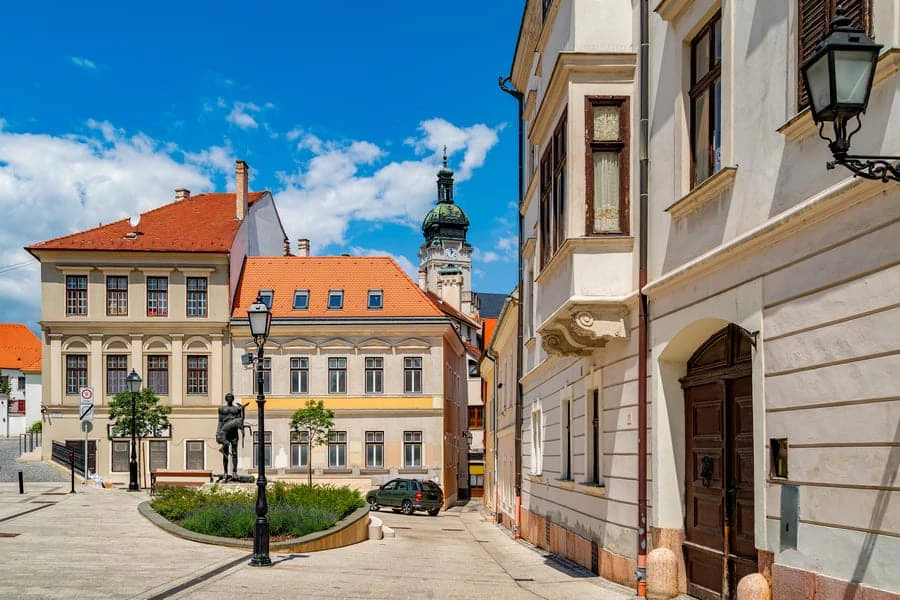
Egypt: property investment in a growing tourism market
Egypt attracts real estate investors with relatively affordable property prices, a large domestic market, and growing tourism demand. In 2025, the country received about 19 million tourists, up 21% compared with 2024. In the first 4 months of 2026, Egypt recorded 6.1 million tourist arrivals.
Investors often consider properties in Cairo, New Cairo, the New Administrative Capital, Hurghada, Sharm El Sheikh, and the North Coast. Cairo and New Cairo are more focused on
Egypt is also developing new urban and resort destinations. These include the New Administrative Capital and New Alamein. Such projects may support demand for residential and commercial property, but investors should check the developer, title documents, payment schedule, service charges, and resale conditions before purchase.
Egypt offers citizenship by investment through several routes. One option is buying real estate worth at least $300,000. The property must meet the program requirements, and the funds are usually transferred from abroad.
Other investment routes include:
- a
non-refundable contribution of $250,000; - a bank deposit of $500,000;
- business investment of at least $350,000, plus a $100,000 contribution.
Real estate investment in Egypt may qualify an investor for citizenship, but it does not guarantee rental income or capital growth. The return depends on the location, project quality, tourism demand, management costs, and the ability to resell the property.
Investment potential of countries: from yield to residence permit
The choice of a country for buying real estate depends on the investor’s goals.
Real estate in Cyprus, Georgia, and the UAE demonstrates high yield. The most affordable prices for buying residential properties are in Georgia and Türkiye, and among EU countries, in Hungary and Cyprus.
Key indicators for choosing a country for real estate investment
| Country | Minimum property investment for residence or citizenship | Property prices, per 1 m² | Rental income |
|---|---|---|---|
| Türkiye | $200,000 for residence; $400,000 for citizenship | $1, | 7.3% |
| UAE | AED 2,000,000, or about $545,000, for a | $2, | 4.9% |
| Thailand | $500,000 for an LTR visa | $2, | 3.2% |
| Greece | €400,000; €800,000 in | €2, | 4.5% |
| Cyprus | €300,000 for permanent residence | €2, | 4.9% |
| Spain | No | €2, | 5.4% |
| Malta | Purchase or rental property may be required, depending on the residence route | €2, | 3.9% |
| Georgia | $150,000 for a | $ | 7.4% |
| Hungary | No | €2, | 3.4% |
| Antigua and Barbuda | $300,000 for citizenship by investment | Approved real estate projects only | |
| Dominica | $200,000 for citizenship by investment | Approved real estate projects only | |
| Grenada | $270,000 for citizenship by investment | Approved real estate projects only | |
| St Kitts and Nevis | $400,000 for citizenship by investment | Designated real estate only | |
| St Lucia | $300,000 for citizenship by investment | Approved real estate projects only | |
| Egypt | $300,000 for citizenship by investment | $ |
Mortgages for foreign real estate investors
Banks in many countries offer mortgages to foreign investors. For example,
The process is usually easier if the buyer already has a residence permit, local income, or a bank account in the country. Banks also assess the applicant’s credit history, income source, debt burden, and the property itself.
A mortgage may help investors buy a property sooner and choose from a wider range of options. However, rental income and property price growth do not guarantee that the loan costs will be covered. Investors should calculate interest payments, taxes, insurance, maintenance costs, vacancy periods, and currency risks before applying.
Currency risk is one of the main concerns. If the investor earns income in one currency and repays the mortgage in another, monthly payments may increase after exchange rate changes.
In some countries, residence by investment is available only if the property is bought without financing. Investors should check program rules before signing a loan agreement.
Indicative mortgage terms for non-residents
| Country | Minimum interest rate | Loan term |
|---|---|---|
| Spain | 4% | Up to 30 years |
| UAE | 2.35% | Up to 25 years |
| Greece | 4% | Up to 15 years |
| Cyprus | 3.5% | Up to 40 years |
| Malta | 3.15% | Up to 40 years |
| Georgia | 6% | Up to 15 years |
| Hungary | 4.5% | Up to 10 years |
Potential risks of investing in real estate abroad
Lack of knowledge of legal nuances. Real estate laws differ significantly from country to country. For example, in Thailand, a foreigner cannot own land. When a private individual buys a villa or a house, the building itself is registered as ownership, while the land under it is registered for temporary use.
Currency exchange rate fluctuations. In many countries, real estate is listed for sale in dollars or euros, while it is rented out in the national currency. A change in the exchange rate may reduce profitability. For example, when the Turkish lira devalues, income from renting out apartments in Istanbul decreases when converted into dollars.
Political instability. If the government changes in a country, it may amend legislation, including real estate legislation. In some countries, there is a risk of nationalisation of foreigners’ property when power changes.
Overheated market. When buying real estate in countries with a high level of demand, prices may be inflated. If most buyers are real estate investors, there may be problems in the future with renting out or selling the property because of a large number of offers.
Decrease in demand for real estate rentals. Economic crises, natural disasters, and epidemics affect tourism. In 2020, due to the coronavirus pandemic, foreigners practically did not travel, and daily rental properties in tourist cities remained vacant for most of the year. Such situations are difficult to predict, and they strongly affect the payback period of investments.
Fraud. There are situations when one apartment is sold to several buyers. Unscrupulous developers take money for a property under construction but do not complete the construction. Sales of apartments that were built illegally are also possible.
To minimise risks, one can visit the chosen country, study the legislation, personally inspect properties, and talk to local residents and expats. These are ways to better understand the real situation in the real estate market and identify potential problems.
To check documents and complete a transaction, one should choose companies with a licence and a good reputation. Title insurance and insurance of the real estate itself will also help reduce risks.
Main takeaways about investing in foreign real estate
- Investing in real estate across several countries helps reduce exposure to local market fluctuations and political risks.
- Emerging markets may offer higher growth potential, a wider choice of properties, and lower entry prices.
- Property in tourist locations may generate rental income and serve as a holiday home abroad.
- Some countries offer lower
property-related taxes, which may affect the overall return on investment. - Buying property in Greece, Cyprus, the UAE, or Malta may qualify foreigners for a residence permit by investment.
- Real estate investment may also lead to citizenship. For example, Türkiye grants citizenship to investors who buy property worth at least $400,000 and retain ownership for at least 3 years.
About the authors


Frequently asked questions
The choice depends on the investor’s budget, risk profile, and main goal. Some buyers focus on rental income, while others want capital growth, a holiday home, or a path to residence or citizenship.
Among the countries reviewed, Georgia, Cyprus, and the UAE show high rental income potential. Georgia and Egypt offer some of the lowest entry prices. Türkiye combines relatively affordable property prices with a citizenship by investment option.
Investors who want EU residence may consider Greece, Cyprus, or Malta. Buyers who want citizenship by investment through real estate may consider Türkiye, Egypt, Antigua and Barbuda, Dominica, Grenada, St Kitts and Nevis, or St Lucia.
Türkiye attracts investors with relatively affordable property prices, rental demand in large cities and resort areas, and a citizenship by investment route. The key locations for real estate investment are Istanbul and resort areas such as Antalya and Alanya.
In May 2026, Türkiye’s Residential Property Price Index rose by 24.5%
In the article’s comparison table, property prices in Türkiye are estimated at $1,
A Turkish residence permit is available when buying real estate worth at least $200,000.
Turkish citizenship is granted for real estate investment of at least $400,000. The investor must keep the property for at least 3 years.
Among the EU countries reviewed, Greece and Cyprus offer direct
Greece grants a Golden Visa when buying real estate. The minimum investment usually starts at €400,000. In
Cyprus grants permanent residence by investment when applicants buy eligible real estate worth at least €300,000. Applicants must also confirm annual income of at least €50,000 from abroad.
Malta offers permanent residence by investment through the Malta Permanent Residence Programme. Applicants must rent or buy qualifying housing, pay program fees, make a charitable donation, and pass Due Diligence. The property purchase option starts at €375,000. The rental option starts at €14,000 per year.
Spain no longer grants residence by investment for buying real estate. The Golden Visa route was closed on April 3rd, 2025. Hungary has not launched a
The profitability of real estate depends on the country, city, district, property type, occupancy rate, taxes, maintenance costs, and resale potential.
Among EU countries, Spain shows a gross rental yield of 5.4%, Cyprus 4.9%, Greece 4.
These figures are indicative. A specific property may perform better or worse depending on location, property management, vacancy periods, taxes, and local demand.
Among the countries reviewed, Egypt and Georgia offer some of the lowest entry prices for residential property.
In Egypt, property prices are estimated at $
Among the EU countries reviewed, Hungary and Cyprus have lower indicative prices than Spain and Malta. Property prices are estimated at €2,
The cost of real estate by the sea in Türkiye depends on the resort, district, distance to the beach, sea view, property type, and construction quality.
In the article’s comparison table, property prices in Türkiye are estimated at $1,
Buying residential real estate worth at least $200,000 may qualify a foreign investor for a Turkish residence permit. Buying property worth at least $400,000 may qualify the investor for Turkish citizenship by investment.
The cost of real estate by the sea in Greece depends on the island or coastal region, distance to the beach, view, property class, and local demand.
In the article’s comparison table, property prices in Greece are estimated at €2,
These locations also have a higher Golden Visa threshold. The minimum investment is usually €800,000 in
Among the countries reviewed, the UAE, Cyprus, Malta, and Georgia offer relatively favourable
The UAE does not charge annual property tax. Individuals also do not pay personal income tax, wealth tax, gift tax, or inheritance tax. However, buyers pay transaction costs. In Dubai, the property transfer fee is 4%. In Abu Dhabi, it is 2%.
Cyprus does not charge annual immovable property tax. However, property purchases and disposals may involve VAT, transfer fees, capital gains tax, and other costs.
Malta does not charge annual wealth tax or a similar annual property tax. Buyers usually pay stamp duty, and sellers may pay final withholding tax.
In Georgia, buyers do not pay transfer tax when purchasing real estate. Individuals pay 5% tax on income from renting out residential property for residential purposes if they do not deduct expenses.
Read also





Contact us today
Passportivity assists international clients in obtaining residence and citizenship under the respective programs. Contact us to arrange an initial private consultation.